
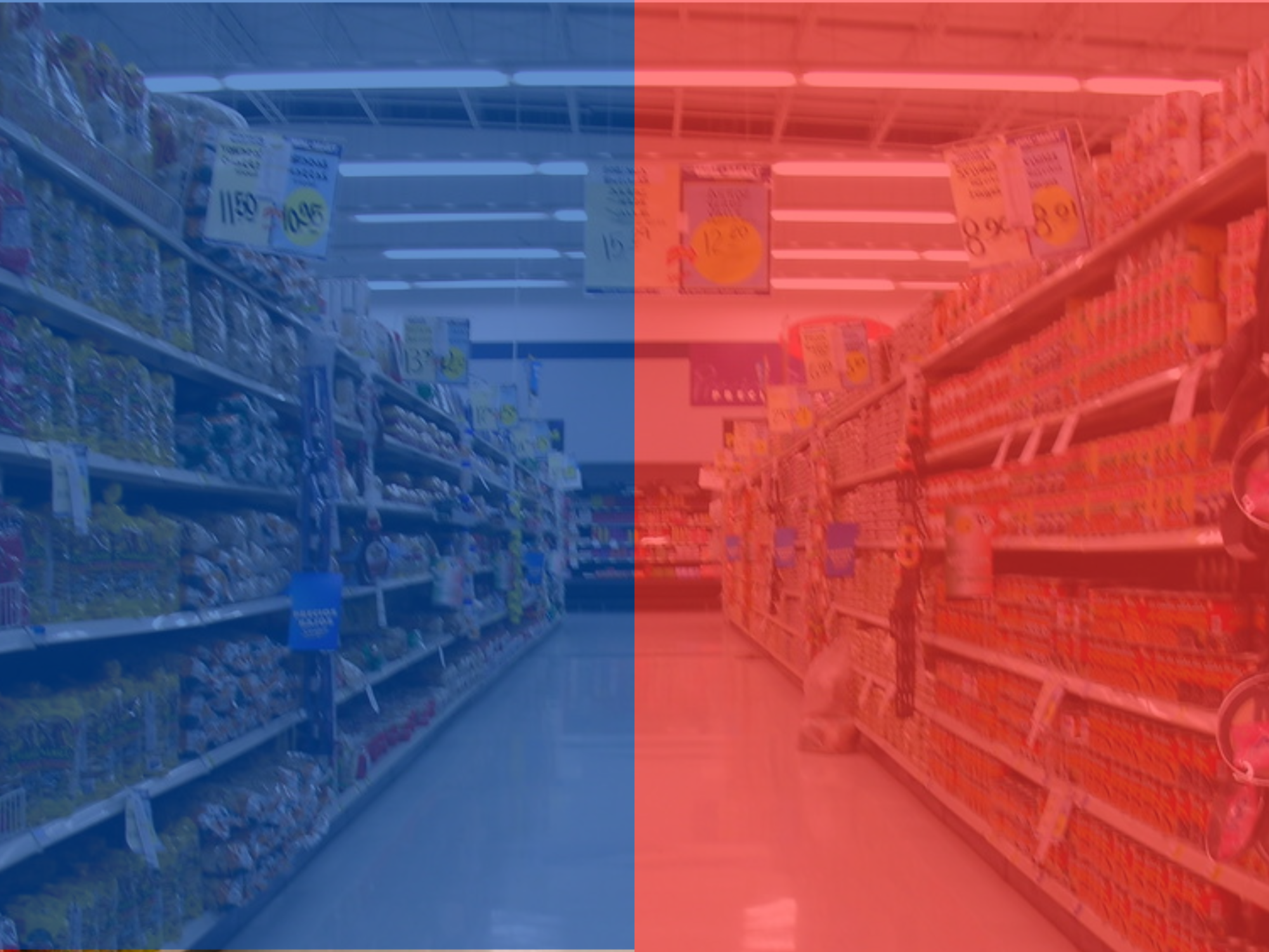
Everyone knows what to expect when they step inside of a grocery store. It’s a structured environment, with tall shelves guiding customers through the store to whatever they may need. However in early Nov. 2025, the things that laid upon these aisles became inaccessible to working class Americans as the aisles that separate the two parties of America seemingly became overwhelmingly difficult to cross.
During the government shutdown, one in five Nevadans had lost their access to Supplemental Nutrition Assistance Program (SNAP) benefits, with around 40 percent of those recipients being under 18, as the U.S. Department of Agriculture was blocked from utilizing the billions of dollars in contingency funds set aside for this specific situation. Because of Congress’s inability to reach a consensus to end the shutdown, millions of people lost their equitable access to food.
These disagreements, while crucial to maintaining the democratic process, should not be what determines whether or not people receive food for the month. The partisan conflicts that have begun to define today’s politics are hindering people’s access to the necessities that sustain life.
The government shutdown signaled a concerning turn in U.S. politics to a more contentious, argumentative climate. What should have been a temporary policy dispute instead revealed how comfortable lawmakers have become with using people’s well being as leverage, showing absolutely no sense of urgency during the shutdown, which resulted in the longest government cessation in the history of the nation. What transpired over the shutdown was a glaring display of how disconnected our leaders have become with the constituents that they are under oath to serve, and represent a misunderstanding of what democracy entails in the first place.
This matter was characterized by the inane rhetoric that both sides of the aisle touted against one another. The conversations that happened on social media and on the House floor often felt less like democratic dialogue and more like shouting matches meant to rile up supporters, or to herd the undecided public into choosing one “side” or the other through claiming that the other side is “dangerous.” This was evident in early November, where both parties continued to blame the other for the national shutdown.
The point here isn’t to discuss whether which party was right, but to address that instead of attempting to break the gridlock through the legislative process, both parties instead focused on blaming each other instead of making a real effort to help the people affected by the shutdown.

The truth is that people aren’t products that can be carefully sorted into different aisles like produce, meat, dairy, Democrat, or Republican. They’re just people: individuals that are supposed to have varied, nuanced opinions, yet the two-party system that has long ruled over America has made the nation think otherwise. Now, as high schoolers begin registering to vote, this vapid political climate leads many to believe that they have to pick between one or the other. The message that politicians are sending to the young people of America is that the first step of participating in democracy is picking a team instead of forming an opinion.
It’s the age-old question of “apples or oranges?,” except now the stakes are much, much higher. And while teenagers are deliberating which political ideology is “right,” there are people who, at the same age as them, have to instead deliberate between whether or not to starve at dinner time. That disturbing contrast should force us to reevaluate the way our political system has been functioning.
The key is not to incur further animosity or entrench political identities even deeper into the American psyche, but refuse to let any more human lives be collateral in partisan battles. At some point, leaders must recognize that politics are not a sport and voters are not spectators waiting to cheer for a winning side, they’re just waiting to have their basic needs met. That’s why America needs more leaders with that capacity for empathy; leaders that understand the woes of the common person so that they can best accomplish their job as a public servant.
Luckily, we may have already found those leaders. It’s been backed by research that Gen Z has already become much more empathetic compared to past generations, and we’re already seeing Gen Z leaders bringing that empathy with them into legislative roles; young politicians have already begun filling in in political offices, such as Nevadan Senator Fabian Doñate and Congressman Maxwell Frost, beginning a shift away from the long-held, traditional methods of governance that have long failed the American people.
So, while today’s politicians may continue to act dysfunctional, the politicians and voters of tomorrow don’t have to be. As more young Nevadans register to vote, they should remember that the purpose of democracy is not to win arguments but to protect people. If future voters refuse to let partisanship loyalty overshadow their humanity, then maybe shutdowns that cut off families from food will become something this country never sees again, and we’ll finally be able to reach across the aisle and start anew.