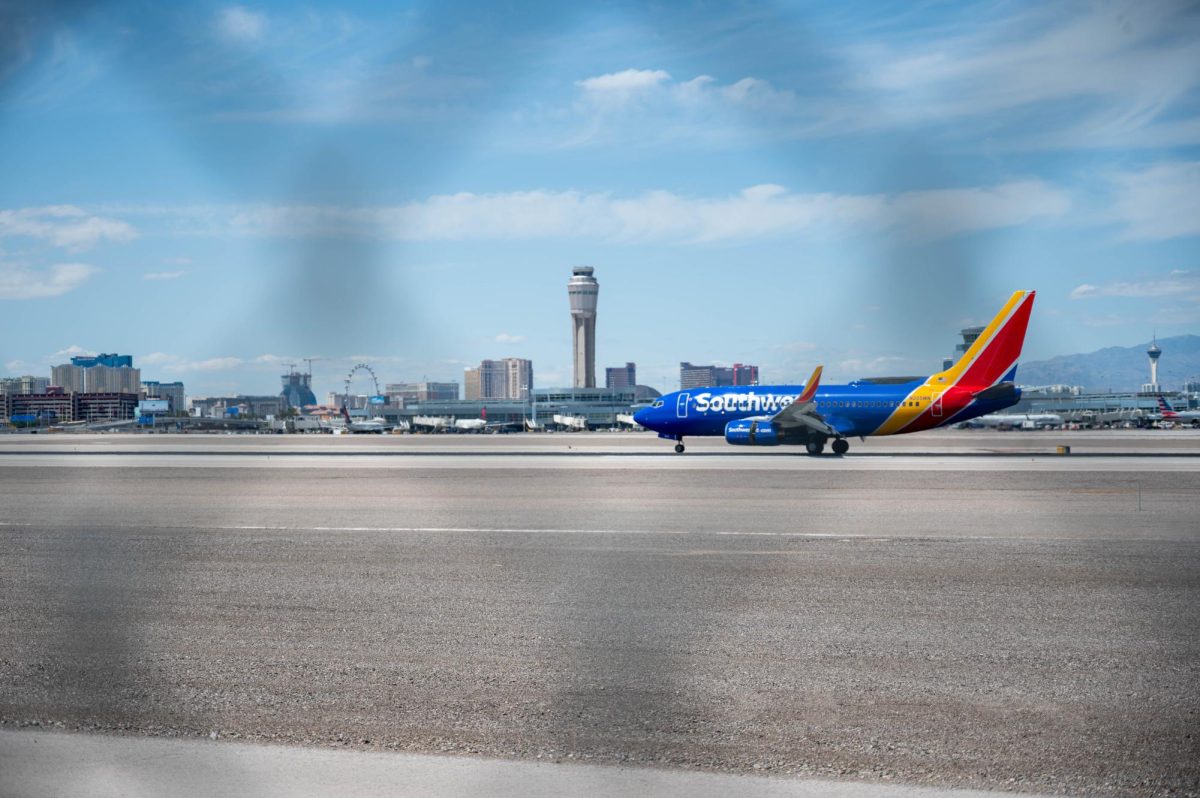
Flying has become one of the safest and most popular ways to travel in recent years. Over the last 20 years, the development of aviation has safety prioritzed. The introduction of new pilot training programs and the integration of new technologies have helped aviation grow and become more trusted. Even though new policies have been implemented and shown to improve safety, the number of airline crashes has risen. Students should care about aviation safety because we are also passengers. Whether it is for school trips, family vacations, sports tournaments, or college visits, high schoolers rely on safe flights just like adults do.
One of the main focuses that aviation safety has improved so rapidly on, is the integration of new technology. Modern airliners are now required by the Federal Aviation Administration (FAA) to have advancements such as the Traffic Alert and Collision Avoidance System (TCAS). These systems ensure that traffic is dispersed in the air. TCAS works by alerting pilots about traffic near them, allowing them to have sufficient time to decide their route. Regardless of the pilot’s decision, TCAS will still improve by taking control of both aircrafts in traffic and flying them on a course to avoid one another. In my opinion, systems like TCAS is one of the strongest reasons flying has become safer, but I do not think technology should make pilots or passengers feel like aviation is completely risk-free.
Another contribution to aviation safety is the improved training pilots are required to go through. Pilots take thousands of hours to complete and go through sessions that test their abilities of safety in flight. One major improvement in training has been the introduction of simulators, which allow pilots to practice emergency maneuvers that cannot safely be done in flight. This gives pilots the chance to experience high-stress situations before they become real emergencies in air. When I have used simulators at my flight school, they have helped me practice emergency procedures I would not be able to attempt in actual conditions because of safety or weather limitations. In my opinion, simulators are one of the most effective parts of modern pilot training because they build confidence and prepare pilots for real-world danger and safety. However, I think training programs could improve by making simulator sessions more frequent and more realistic to better match actual flight conditions.
Even though technology and training have greatly improved safety, human error is still one of the main reasons for crashes today. Many of the accidents we see are not the fault of the planes, but of the pilots and crew members helping with the plane. Many of these mistakes come from fatigue, stress, or poor decision-making in high-pressure situations. According to the National Transportation Safety Board (NTSB), 53% of crashes are caused by human error, not mechanical. Mistakes do not always come from the pilot, with very few coming from the mechanic personnel missing critical, failing pieces or Air Traffic Control (ATC) giving the wrong information to aircraft. This shows that even with advancements in technology, it cannot fully eliminate the risks caused by human factors. I think this is the biggest issue aviation still needs to fix because people can become too confident in systems that are only as safe as the humans using them.
Although Air Traffic Controllers can suffer from human factors, they also make aviation safer in the long run. Using radar and advanced location tracking can create an environment around the airport and country that allows aircraft to fly safely around each other, helping eliminate mid-air collisions. Regardless, this system is not perfect because smaller aircraft and some military aircraft are not always required to use this software, which can create gaps in coverage. A recent aviation accident showed that when an aircraft was not using advanced location tracking, it contributed to a mid-air collision that could have been prevented with better tracking. This shows that while air traffic control systems make flying much safer, there are still limitations that need to be improved. As someone learning to fly, this concerns me because student pilots often train around smaller aircraft, where traffic awareness and communication are extremely important but hard to manage.
Aviation has come a long way and is safer than it has ever been, thanks to better technology, stronger training and improved systems like air traffic control. These advancements have reduced accidents and made flying more reliable for millions of people every day. However, safety is not perfect and human error, fatigue and system limitations still create risks. Due to this, aviation cannot rely only on technology to stay safe. I feel that more focus needs to be placed on improving human performance and reducing mistakes. Overall, while aviation has made major progress, there is still work to be done to make it as safe as possible.