I stand at my kitchen counter, my eyes difficult to keep open—barely conscious. While I add creamer to the coffee I have every day, I hear the kitchen floor creak, seeing my mom walk into the kitchen. It was unusual to see her awake at such an early hour, as I was getting ready for school and she’s usually asleep to rest for her next night shift. The first words that came out of her mouth were: “Donald Trump won the election.”
It felt as if she was attempting to ignite some sort of fight or power pedestal. The man me, and her side of the family she knows we hate, is now in office—again. I stood astonished. I couldn’t fathom how someone could be so proud of publicly supporting someone so corrupt.
It reminded me of an interaction I had with a classmate weeks prior to the election. I remember asking him which political party he agreed with more. However, when he responded with, “I’m only 16, I don’t need to know anything about politics,” I sat there with a blank expression, not really sure how to respond. I couldn’t comprehend how someone could be so comfortable being oblivious about something so crucial to society.
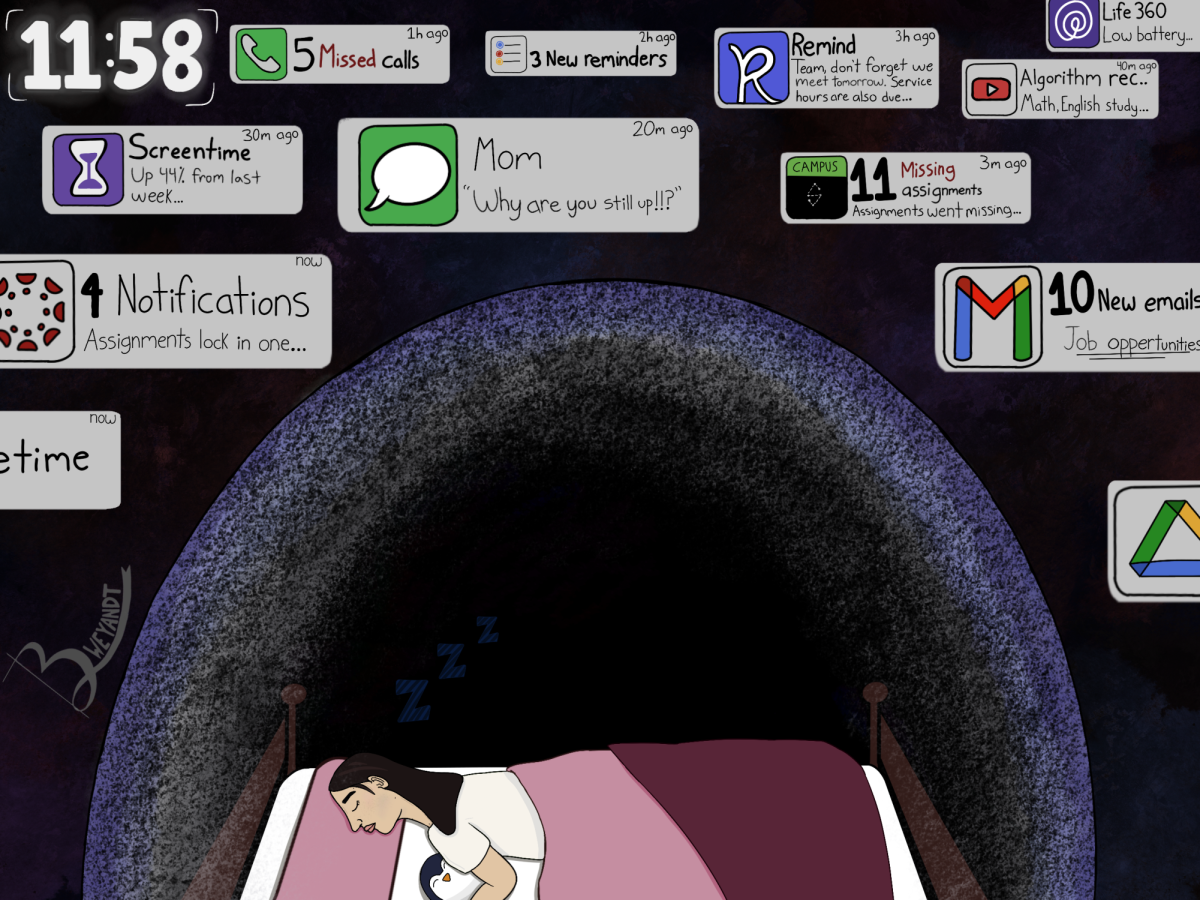
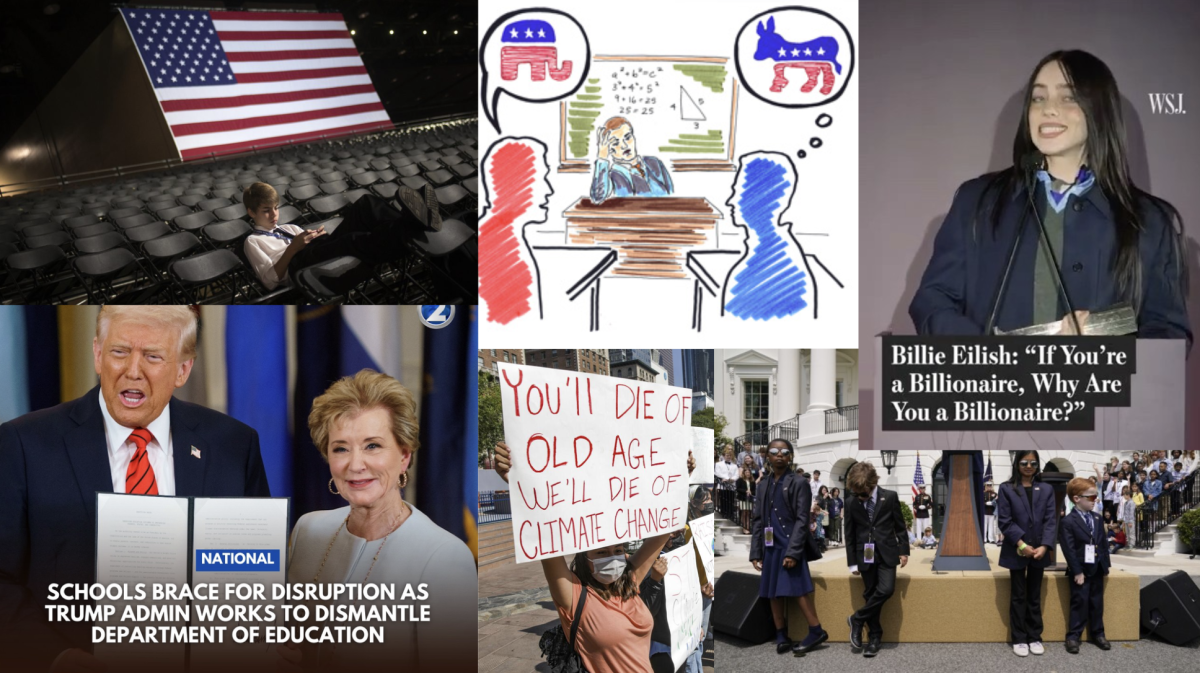
Now, I sit in my room, getting notifications from The New York Times regarding the many avoidable catastrophes our current president has been injecting into our world. Moments like these made me realize being politically uninformed has been normalized as a part of growing up, like an attempt to save childhood oblivion. As politics continues to amplify in complexity, it becomes even more overwhelming for individuals to stay engaged. Instead, ignorance is chosen to avoid discomfort and hide one’s lack of civic knowledge.
Eventually, these teens step into adulthood and are given the power to vote. When it comes to voting, a large majority of voters look for quick buzzwords and false promises from candidates during elections to dictate their vote. Rather than looking into these candidates’ pasts, and analyzing it to see if they are trustworthy and will hold up to their word. The current problems our president is causing really is no surprise—he has shown this behavior in his prior term and even in his history before that. If this fallacy weren’t true—our current president wouldn’t be our president.
With voter selection being based on quick unauthentic promises and blind loyalty to the party system, it creates a society that fuels division over authenticity. Instead of focusing on the authenticity of candidates and their visions for America, each side wants to dissect and ridicule the ideologies of the other side.
This overall ideology has serious consequences. Trump has curated an unempathetic American society. A prominent issue being how people show little to no remorse for immigrants—as if being inhumane of others is allowed, just because a large span of political powers do it. With his new policies, immigrants are required to know more about America than someone who was born on American soil does. Immigrant policies enforced aren’t neutral, people within the White House dehumanize immigrants and spread that propaganda through official White House social media. At the same time, seven in ten Americans failed a basic civic literacy quiz consisting of questions about the three branches of the federal government. Behaviors like these fuel an environment stifled from nuance and led with ambiguity.
For students, political ignorance directly threatens education. President Trump published a 2027 budget request, potentially cutting 2.9% of the Department of Education’s funding if approved, with the intention to abolish it entirely. If students continue to be disengaged, these changes will happen suddenly and sometimes without their awareness. This will lead to diminished opportunities to respond or advocate for their rights and voices. Access to education is on the line—these cuts limit resources like school counseling services and clubs. Without the proper necessities and resources, opportunities for students to grow and gain valuable experience become harder to achieve.
By the time these adolescents enter the age to vote—the consequences of avoidance and disengagement will follow. Without properly educating themselves, they risk becoming an adult who is easily influenced and uninformed—building the foundation for others to involuntarily build a world without permission or their consideration.
Start caring, if you don’t already. If you don’t, one option is to start a conversation with a family member—for me, it was my uncle. He helped me comprehend politics and become more politically involved and educated. Pay more attention to history class, make the connections to modern day politics and understand their presence in today’s world because history is always repeating itself. Politics aren’t limited to picking the ‘right’ or ‘wrong’ side, but rather requires an understanding of the systems of power that shape the foundation of our daily lives.
To be ignorant of the world and the corruption that poisons us all is immoral in more ways than one. We must all recognize that politics shape the foundation of our world. Ignoring it only fuels injustice and allows corruption to thrive.