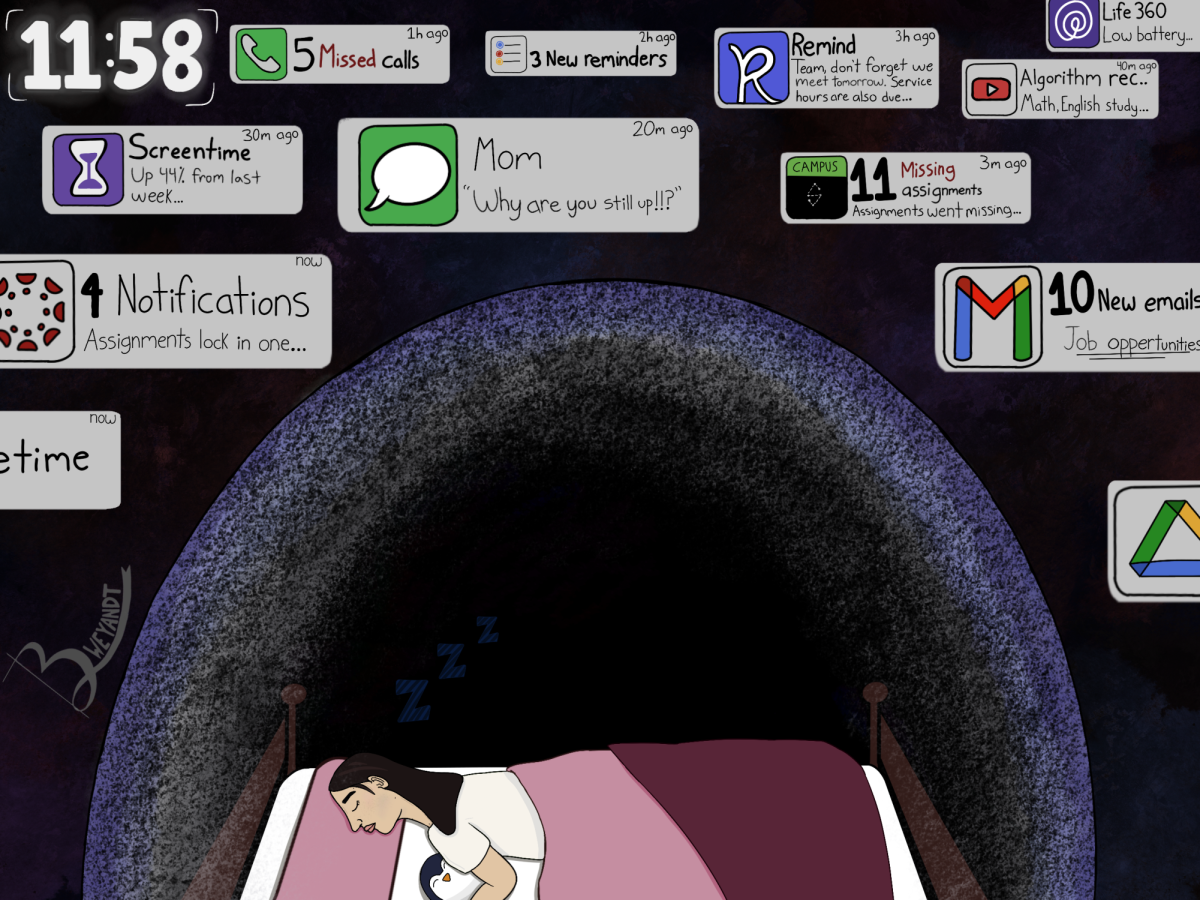
I was 10 when schools had shut down and I was forced into distance learning. What was supposed to be a short term break turned out to be three years of staying at home. Endless scrolling, staying in bed 24/7—I felt more isolated and alone than I ever had before. Unfortunately, I was forced to adapt to this diminished level of social interaction, as it was all I had. Although it wasn’t just me experiencing this, this was the harsh reality for Generation Z.
Being forced to live through global crises like the COVID-19 and partake in the constantly rising digital age, Gen Z has become increasingly educated and aware of the world around them. Older generations criticize us for speaking out against social issues and mental health, but what they don’t understand is that this is due to not having the desire to relive the harsh realities forced upon us at such a young age.
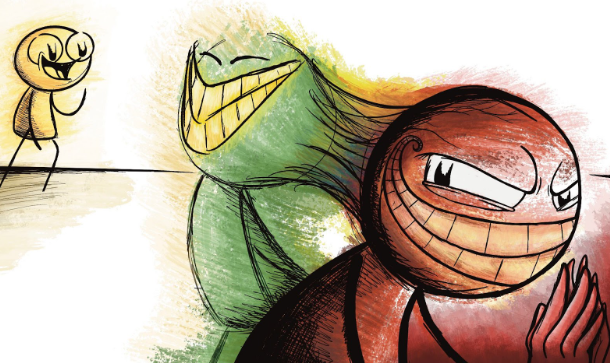
The most common stereotype that I hear the most is that Gen Z is lazy and unproductive. This generational bias stems from how former generations functioned. An article by PsychologyToday states that if an individual is highly productive and hardworking, they are more likely to notice sloppiness in others. The fallacy that goes hand-in-hand with this idea is when older generations analyze the younger generations’ strengths and realize that they don’t match theirs, and they view it as a decline. Every generation at some point is viewed this way, though it’s as if this generation is facing the most retaliation.
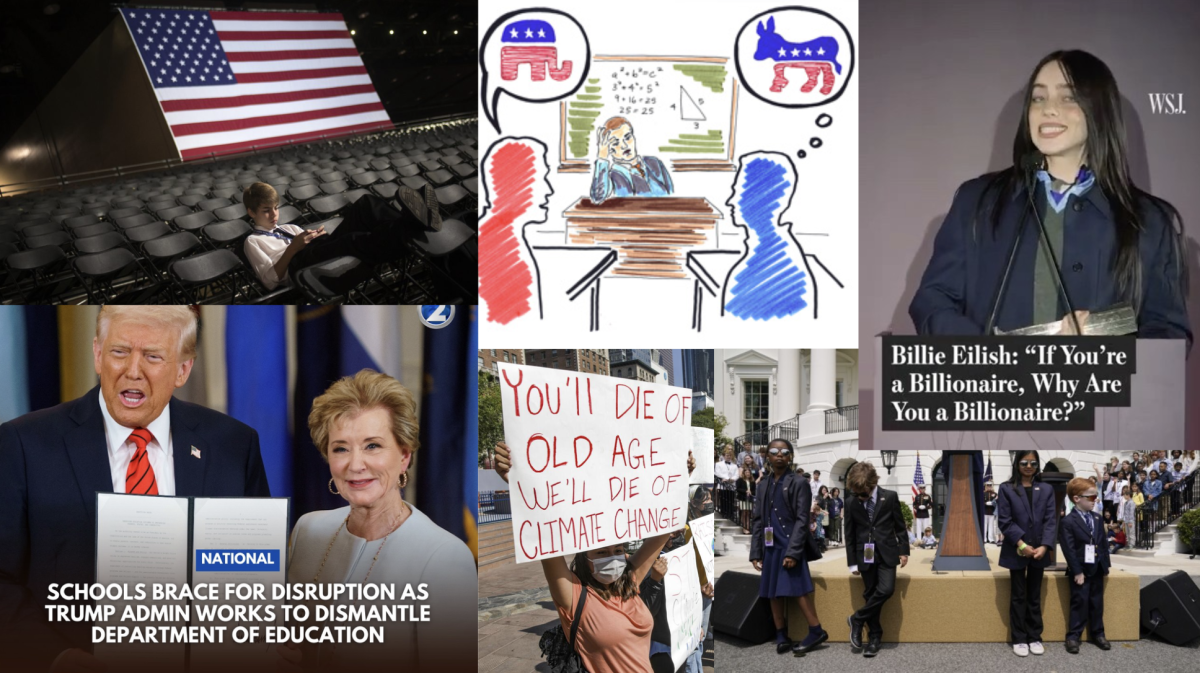
Growing up online due to government issued social distancing, I’ve realized how many of my peers are comfortable with sharing their opinion on the corrupted politicians that affect our world daily. Although I may not agree with each and every one of their political views, it felt like a breath of fresh air to know democratic views were on a rise. I have always believed that teens should be involved in politics, and that it’s crucial to be educated in the topic especially when it comes to being close to or at the required age to vote. Many peers at my school ensure their voices are being heard, seen through actions like staging school protests against ICE. An article by Journal of Democracy found that 80% of nonviolent protests between 1990 through 2020 featured a noticeably large amount of Gen Z participation.
This generation as a whole has been known for pushing political reformation. A study by the American Council of Trustees and Alumni found that Gen Z reported higher levels of knowledge in political history and civics than millennials did. However, if we call out the corruption that surrounds us, we are labeled as “woke.” If we don’t, then we’re viewed as unintelligent and oblivious to the issues occurring in the world. The constant criticization and unrealistic standards leaves Gen Z stuck in a plateau. However Gen Z’s behavior towards political and overall activism has been known to spread towards other generations, showing impact on calling out behaviors generations before had been taught to stay quiet about.
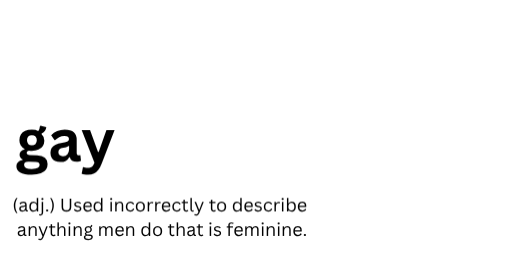
Criticism doesn’t stop at being labeled “unproductive” or “woke”—it continues to being labeled “sensitive.” This idea mostly comes from Gen Z’s comfortability with discussing mental issues. Many older generations were taught to suppress mental health struggles to be perceived as “strong.” This is why nowadays, speaking out about generationally ignored issues can be seen as being over sensitive.
I’ve experienced this first hand; for me it’s my inability to pay attention and not zone out. My family, full of generations before me, have had issues recognizing mental struggles like depression, and for me, inattentive ADHD (ADD). When I first expressed my worry of having ADD, my family questioned me and told me I was following online mental health propaganda—leaving me to struggle and fall behind in school. It took me zoning out while driving and running a red light for my mom to finally get me a consultation from my doctor, where we found my worries were correct. It is inane that older generations find Gen Z sensitive simply for wanting to give support and recognition to those who need it—there is nothing humane or justifiable about dismissing mental health worries and allowing people to suffer.
The truth is that every generation has been viewed like this at some point in time. It’s not that no generation will eventually begin declining—it’s rather that Gen Z isn’t yet. This generational fallacy must come to an end—it only continues to limit us. Gen Z, not willingly, has noticeably gone through a lot due to actions from the generations before them. Now they take these inherited mistakes and fix them. Instead of viewing this generation as declining, we should recognize them for their strengths whilst also recognizing the environment that surrounds them and why they may act in such a way.