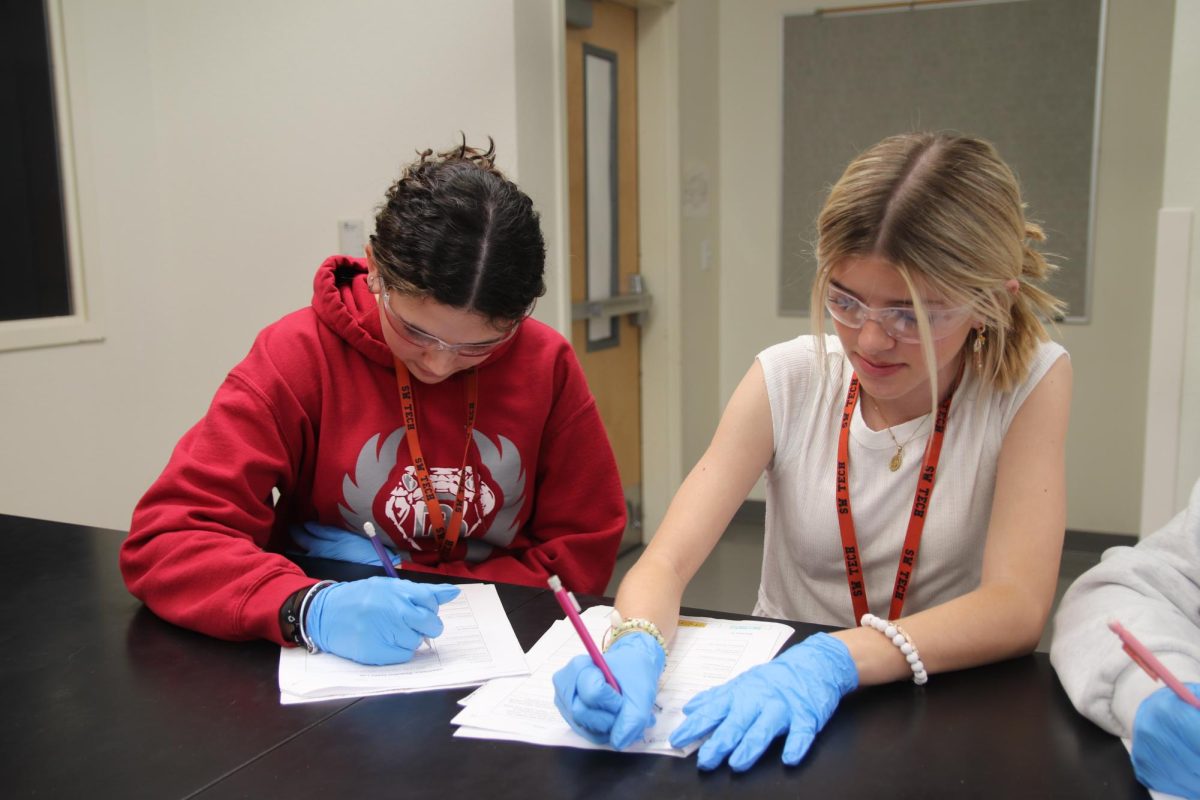
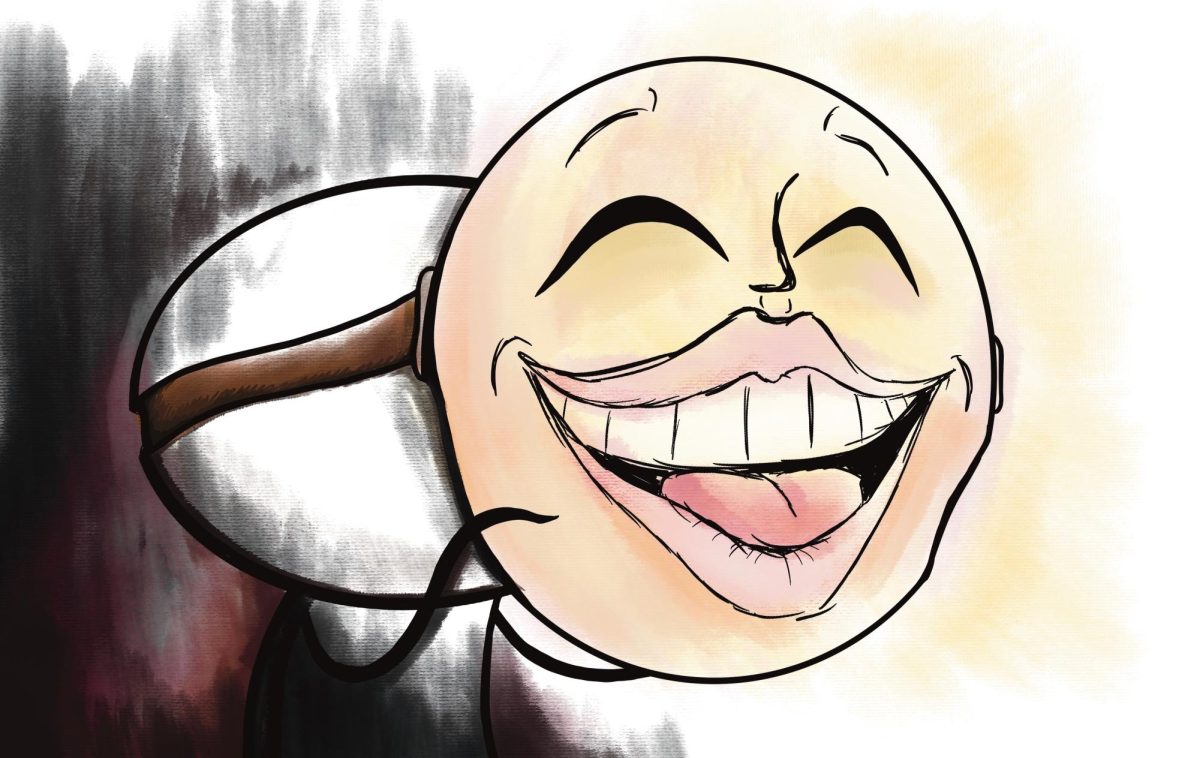
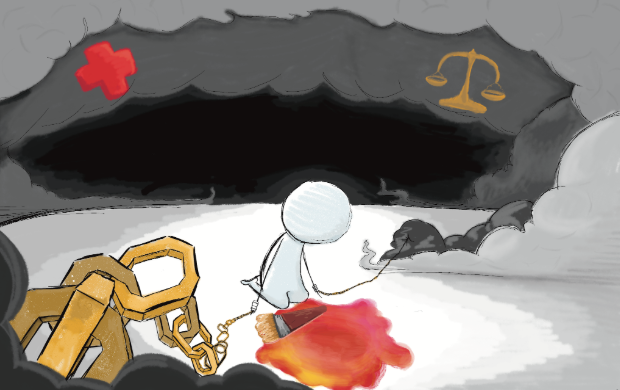
![Many teenagers are reluctant to receive professional support for mental health. There are various factors that play into teens not getting the help that they need. “[Teenagers] might feel that even though they're talking to someone, they still don't feel heard,” freshman Jaeda Gonzales said. “I've noticed that a lot of times when I try to talk to someone about my problems, it doesn't really click [with] them. [It’s] like they're making up their own story about my story in their head and they're just getting it all twisted.”](https://southwestshadow.com/wp-content/uploads/2026/05/mental-help-graphic.jpg)
Generations Z and Alpha are often praised for being the generations that are the most open to discussing their mental health. On social media, teenage users can be seen candidly talking about their emotional well-being and helping to break down stigmas surrounding mental health topics. However, beyond social media, many teenagers struggle to translate their willingness to speak about their feelings into actually reaching out for support.
In 2023, over 5.3 million adolescents, ranging from ages 12 to 17 years old, had been diagnosed with a mental health condition at one point in their life. While mental health issues among teenagers have become increasingly prominent, many teens do not end up seeking professional help. According to the American Psychological Association, only 58.7% of teenagers in the United States reported consistently receiving the emotional or mental support they needed.
“When I was first starting high school, there was no one that I could really reach out to talk to, except for my parents,” senior Kristophe Gall said. “I kind of just kept my stress to myself and just managed it by myself.”
The most common reason as to why many teenagers do not end up getting the help they need is limited knowledge regarding mental health. Low mental health literacy can make it difficult for teenagers to uncover their condition, blurring the line between regular teenage feelings and symptoms of serious mental health disorders.
“If [teenagers] grew up in a household where their feelings and emotions were undermined…because their parents constantly told them they were overreacting, they [might have] a lack of knowledge that, ‘Oh, this is a real thing,’” freshman Andelyn Kolek said. “They feel like they have this problem with themselves and they don’t want to reach out because they think it’s on them.”
Several social factors may prevent teenagers from accessing support. Many people experience internalized stigma regarding their own mental health due to prejudices and common stereotypes against mental illnesses. Fears of how they would be perceived by society if they were to receive mental health support have led to teenagers feeling embarrassed and shamed into keeping quiet. Because of this, some teens have preferred to handle their problems on their own in order to avoid criticism.
“There are a lot of psychological ailments like schizophrenia and multiple personality disorder that get a lot of bad coverage, and you see a lot of bad stories about them in the media,” sophomore Larissa Cummings said. “A lot of people tend to gravitate towards thinking of those [disorders] as something terrible or evil.”
Another contributing social factor is peer pressure. Teenagers might feel pressured to put on a happy facade in front of their peers, thinking that their mental health issues may burden them or that they simply would not understand.
However, that does not account for the fact their friends may be putting on a front themselves. A phenomenon called “smiling depression” describes how some people may hide their emotional pain from the people closest to them, making it difficult for others to perceive their mental distress from appearance alone.
“There have been situations where I had to act okay because of other people and pretend like everything was fine when it wasn’t,” Kolek said. “Throughout middle school, there were things that happened and things that happened to me, and I felt like I couldn’t talk to my peers specifically because I knew that they didn’t go through what I went through and I think they wouldn’t understand as much.”
Although social media has played a role in breaking down stigmas surrounding mental health, it can still amplify feelings of inferiority. Negative social comparison often leads to people turning the blame inward, believing that they are the cause for all their issues due to the perceived perfection of those around them. With social media, teenagers are able to look at the curated lives of their peers and may feel as though their lives are worse by comparison. In turn, teenagers may dismiss getting the help they need for issues relating to their mental health, convincing themselves that what they are experiencing is entirely personal to them.
“On social media, people are trying to perceive their lives to be so perfect,” Kolek said. “[People] only post a selfie where [they’re] not crying and…being [their] happiest self, and I think because of that, people feel like, ‘Oh, their life is perfect. They won’t understand, so I can’t reach out.’”
Attitudes towards professional mental health services are also a significant barrier for teenagers seeking support. The National Library of Medicine reports that 68% of young people reported lacking the ability to fully trust that their provider will keep what they share confidential or questioning the effectiveness of professional services altogether. If teenagers feel that they can not talk to a professional freely or that there will not be any improvements to their mental health, they may feel like they are better off not talking to one at all.
“Students often are afraid because they don’t want things reported, so they will just not share anything,” social worker Marcella Garcia said. “Kids are afraid and they don’t want to share with us because they think we’re going to tell their parents. But, at the end of the day…my role is to be an advocate for this student and help parents meet them where they’re at.”
However, there is still a lot that can be done in order to encourage adolescents to actively reach out and ask for mental health support. For starters, decreasing stigmas around mental health has been shown to have positive effects on teenagers, with anti-stigma campaigns reportedly increasing mental health literacy and leading to better attitudes toward mental health issues.
“As a community, we need to do a better job of getting rid of the stigma that comes with it, in our own families as well [as] amongst ourselves,” Garcia said. “If we do see a student struggling, it’s important that we don’t automatically assume they’re struggling because they want to…It’s a community effort, not just a one-person or a school problem.”
While handling struggles relating to mental health independently may be a temporary fix, it is ultimately unsustainable and unhealthy. Mental health professionals can help prevent current conditions from worsening by identifying the root causes and providing a tailored treatment plan, improving overall mental well-being in the long run.
“Life can be really hard, and we’re all going to face challenges in our lives, and realizing at a young age that you don’t have to figure things out for yourself is really important,” Freshman Studies teacher Kimberly Caipa said. “Just like somebody who goes to the doctor to make sure that their physical health is okay, we need to make sure that we’re taking care of our mental health, and having a professional that we can talk things over with can only be a positive.”
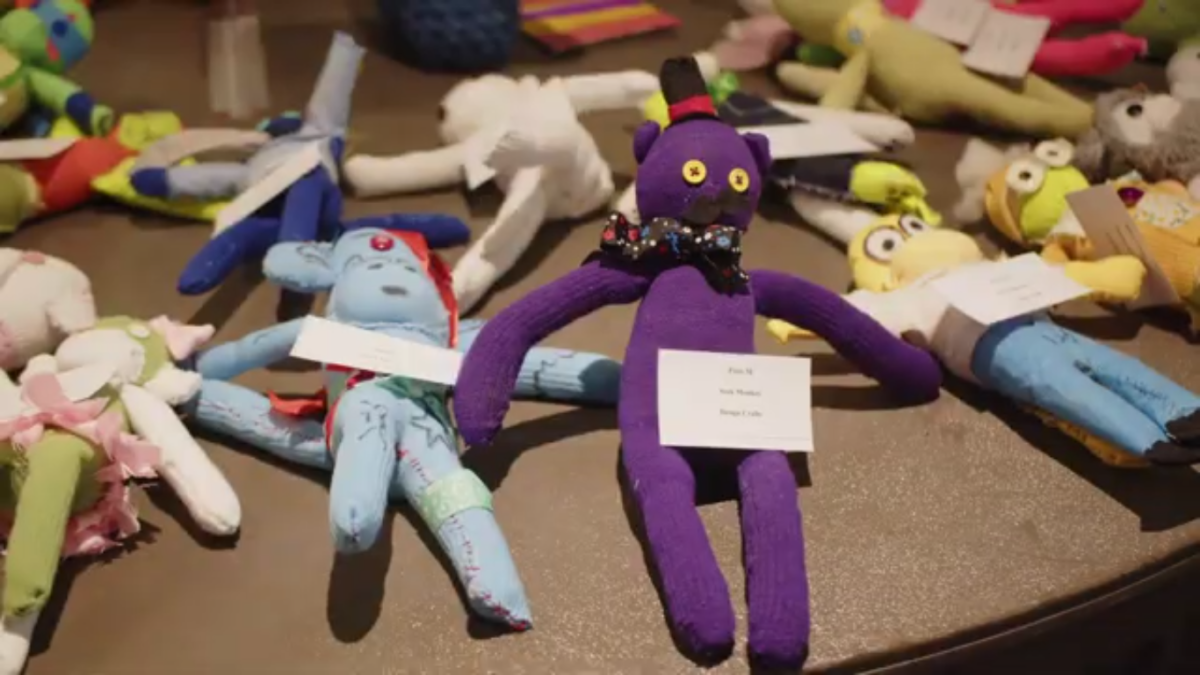



![Many food trends gain attention because of viral influencers or appealing visual aspects. This has continually drawn approval and admiration from consumers before they had even tried the product. “Food trends [are popular] because it’s such a big build-up, especially from influencers,” junior Myles Jenkins said. “They think something’s cool, then they post it everywhere on social media, and then other people just want to do it so they can experience it and post about it. People want to just feel seen by doing the same thing, especially with food, a common way that people could connect.”](https://southwestshadow.com/wp-content/uploads/2026/04/2-1200x800.png)