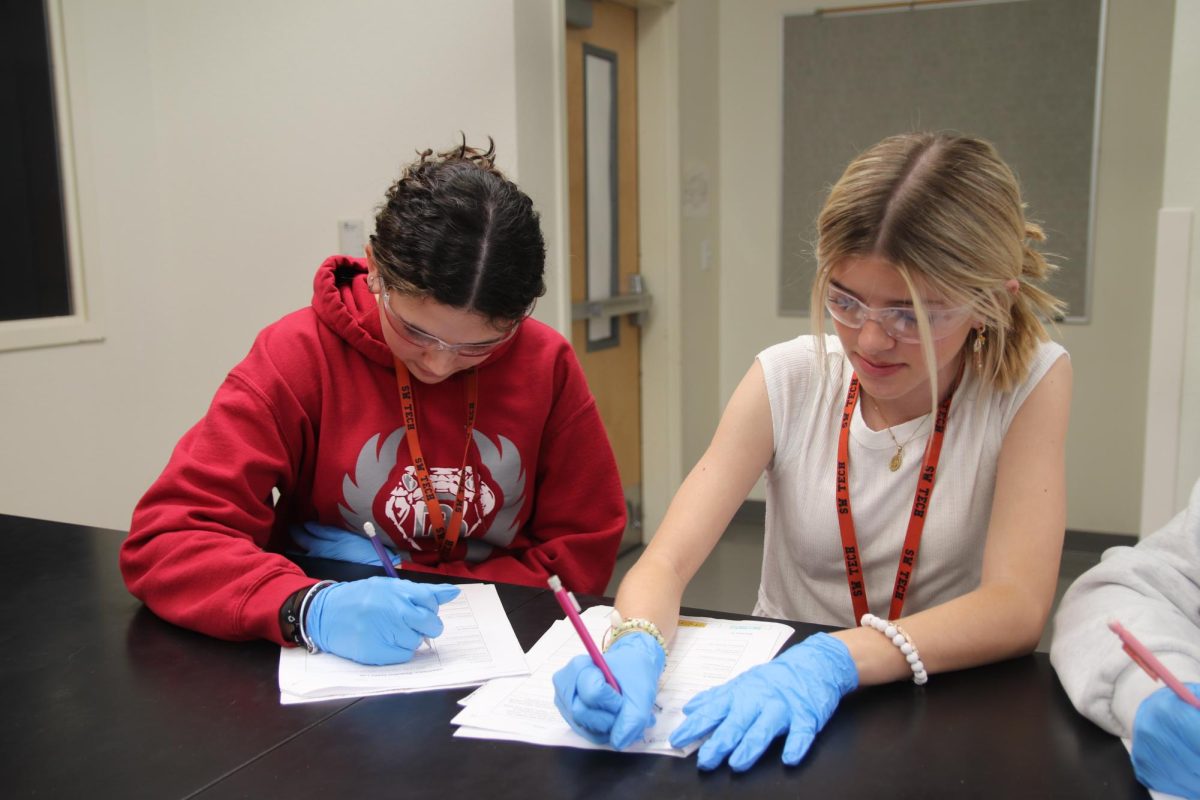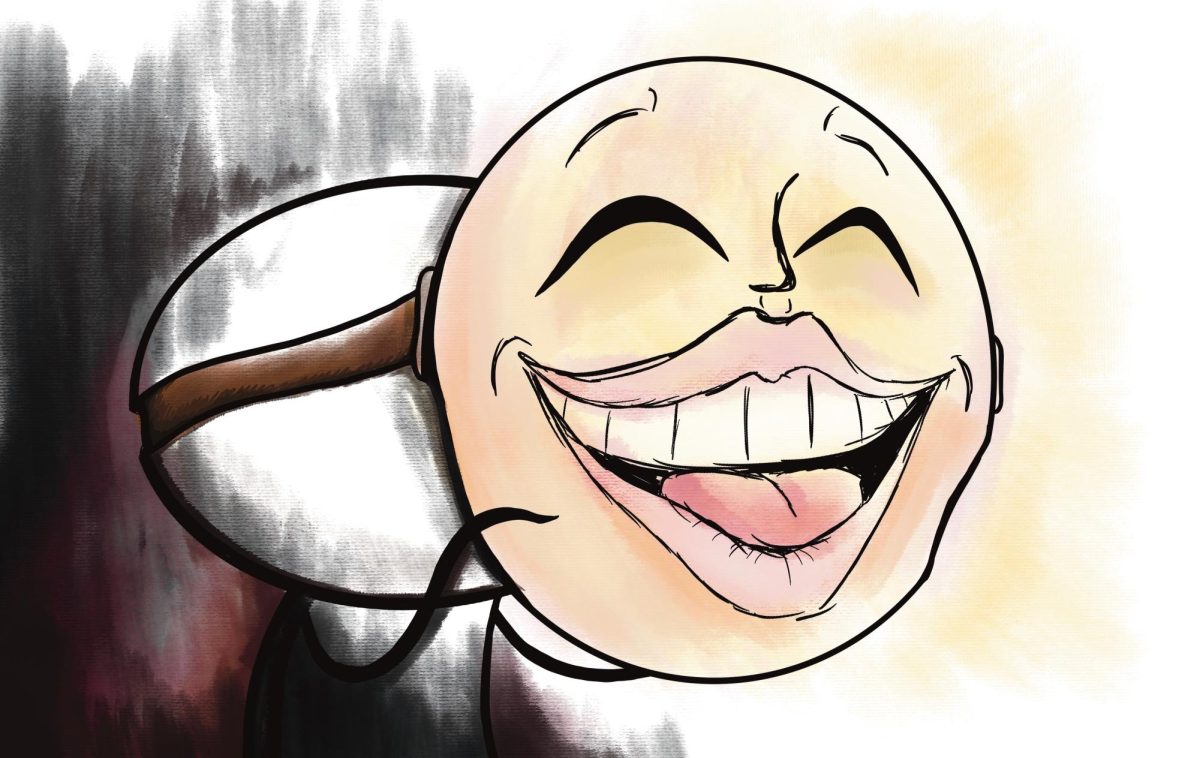
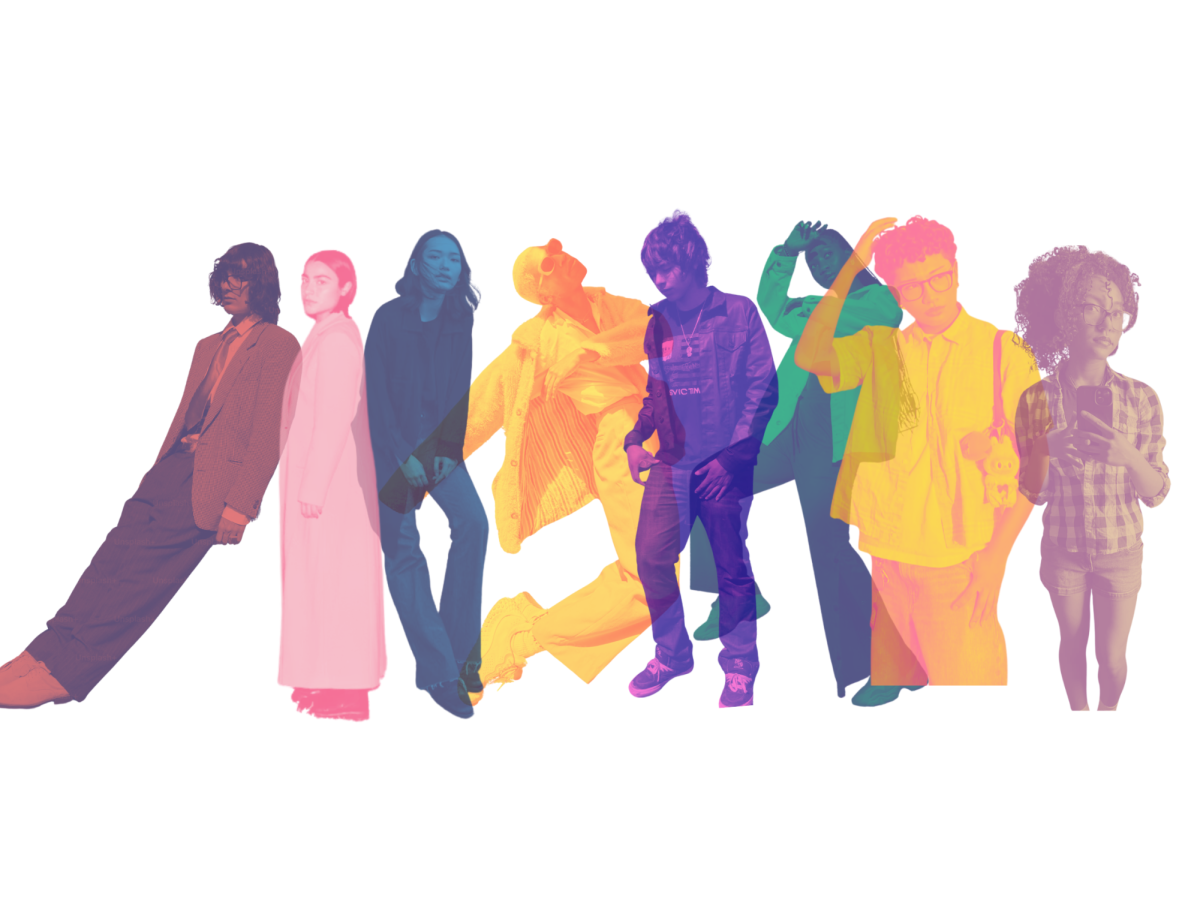
From the outside looking in, teenagers may appear to be focused on friendship, school, money and everything else that may come with being a teenager. Some may even see high school students as shallow, focusing on the present, or working only towards attending school events and hanging out with friends.
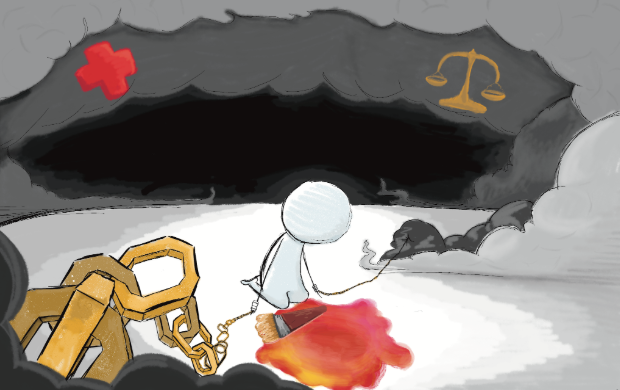
Internally, however, many students struggle with the immense weight of parental and cultural expectations. In a phase of life known for being the time for teens to figure out what to do with their lives, many youth find themselves having to decide between their passions and what will satisfy their parents.
“I feel like for me, the jobs that would be less supported would be jobs in things such as the arts,” sophomore Jade Miyano Ramirez said. “When I used to mention how I wanted to do an art career, they would either try to push me out of that mindset to get me to do something more ‘productive’. I feel like jobs such as hospital jobs, construction and computer related jobs are more supported by my family and their culture. A good chunk of my family works in construction and the most successful person in my family works as a nurse so those tend to be pushed since they’re so high paying.”
With all of these expectations placed on them, teens may feel lost or unhappy in their lives, as they feel the need to give up on lifelong dreams for economic stability. While this pressure may not be new, some teens are able to understand the reasonings behind it.
“I feel like, as you get older, a lot of people more understand struggles and everything that parents went through to get them to certain points,” senior Ryder Cantwell said. “Them pushing us to certain areas, or different places, [is them] wanting us to do better than they did.”
Results of a student survey conducted showed that over half of the participants feel obligated to follow a certain career path and outright admitted to believing that they will be unhappy in the career their parents choose for them.
“It’s because they don’t want to disappoint their family,” senior Ziying Chen said. “I think it is also because they want to fulfill their parents’ wishes and dreams, especially coming from an immigrant family. They want me to have an easy future, they want me to be successful in life, so their dream and wish is for me to do that.”
Conversely, almost every one of those same students marked that they felt they understood their parents’ reasoning behind wanting them to follow a different career path. While at first glance, this information felt contradictory, it soon made sense that as students age, they begin to better understand the world and, oftentimes, their parents as well.
“Students are at the stage where they’re figuring out what they like and dislike,” counselor Elizabeth Noel Hare said. “That doesn’t always align with their parent’s expectations. The contrast comes from two valid perspectives: students understand the love and reasoning behind their parents’ desires, but also feel a need for independence and personal decision-making. It is natural to want to make your parents proud while also wanting to make your own choices.”
While this pressure can often feel suffocating to teens now, the question of whether the up-and-coming generation will continue on the trend in the future with their own children. Even though times change and generation Z has become almost known for a more laid back, mental-health-conscious mindset, some ideals and traditions may remain in place, unless the youth today consciously choose to make a change.
“I feel like in the future the kids are more free to do whatever they want,” Chen said. “Especially because our generation is changing, how people stand on their ground and do whatever they want instead of being a follower. Gen Z is less strict and more understanding than the older generation, so I think there are chances for teens to be able to do whatever they want and have a brighter future ahead of them.”
Additionally, some more modern ideals offer teenagers more autonomy, where many teens are encouraged by adults at school or family friends to pursue their dreams, if they aren’t supported at home. Rather than pushing for specific careers, most high schools and counselors today advise students to make their own choices based on both logic and their passions.
“Students have to decide what is more important to them,” Hare said. “Some people find more happiness in making their parents happy or proud. Others would be miserable showing up to that job every day. There is not one right answer for everyone. It is not my job to tell students what to do, but to ask them questions and guide them into finding the right answer for themselves. That answer can change over time as well and we discuss that.”
That being said, there are still some clear biases when it comes to the careers most parents push their children into, with medical and technological fields being praised, while the arts are often ostracized or forgotten about. Teens who may feel themselves drawn into careers that are more artistic may feel even more of this pressure and find themselves hoping that someday their choices and passions may be accepted.
On the other hand, studies have shown that Gen Z students themselves tend to be more artistic overall, placing more emphasis on the importance of learning the arts than a few previous generations. Rising concerns about AI taking many of those “safe” or “successful” jobs leaves many young people craving real human creativity. Though the question of whether or not older generations will be accepting of this trend remains unanswered.
“A lot of times it seems to be either successful or safe,” Cantwell said. “Obviously, every parent wants their kid to be successful, but, like, some parents want their kids to be doctors, lawyers, all these different things. I feel like it’ll get lessened as career paths in the world become more open, because there’s jobs that we have now that weren’t jobs 10 years ago, let alone 50. So, I feel like as more career paths and new job opportunities are created, it’s going to get less of a stigma.”
Even though the high school years, especially when preparing to move into college, teenagers feel pushed to figure everything out and make important decisions that will influence the rest of their lives, it is often comforting to remember that life is a marathon, not a sprint. Some of those important decisions can be put off, or adjusted as life goes on.
“I wish more students understood that they don’t have to have their entire lives figured out in high school,” Hare said. “Life isn’t so much about finding who you are as it is about creating who you are; and that process is always evolving. Expecting a teenager to have everything planned out is unrealistic. Having goals and taking steps toward them helps create opportunities and keeps doors open, but those goals can absolutely change over time; they should.”


![Many teenagers are reluctant to receive professional support for mental health. There are various factors that play into teens not getting the help that they need. “[Teenagers] might feel that even though they're talking to someone, they still don't feel heard,” freshman Jaeda Gonzales said. “I've noticed that a lot of times when I try to talk to someone about my problems, it doesn't really click [with] them. [It’s] like they're making up their own story about my story in their head and they're just getting it all twisted.”](https://southwestshadow.com/wp-content/uploads/2026/05/mental-help-graphic.jpg)
![Many food trends gain attention because of viral influencers or appealing visual aspects. This has continually drawn approval and admiration from consumers before they had even tried the product. “Food trends [are popular] because it’s such a big build-up, especially from influencers,” junior Myles Jenkins said. “They think something’s cool, then they post it everywhere on social media, and then other people just want to do it so they can experience it and post about it. People want to just feel seen by doing the same thing, especially with food, a common way that people could connect.”](https://southwestshadow.com/wp-content/uploads/2026/04/2-1200x800.png)