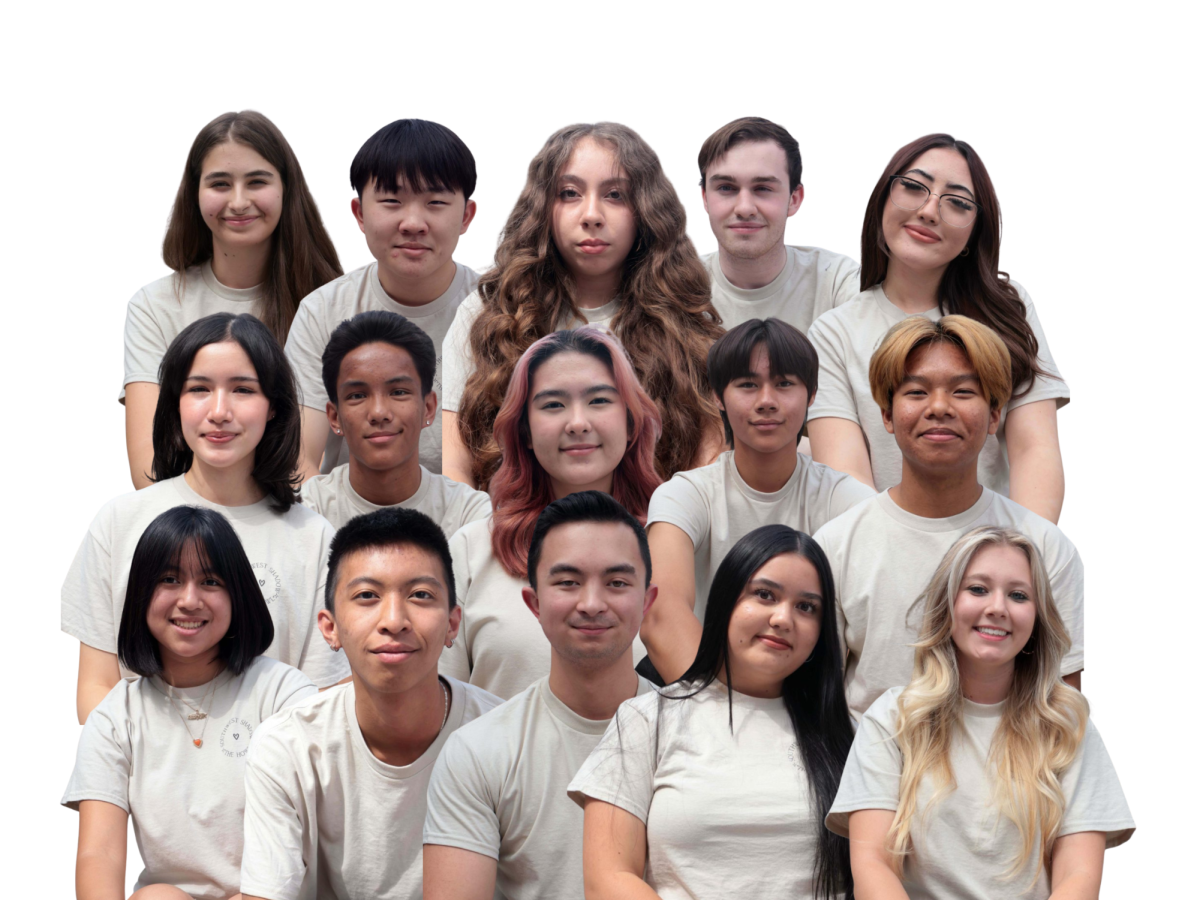
In substitution of their usual speeches, valedictorians in the Class of 2026 will present a video in order during the graduation ceremony to effectively recognize everyone who achieved the title during.
This implementation was one of many solutions proposed during a graduation committee meeting held on Feb 18.
“I brought in the [valedictorian candidates] and we were all talking about creative solutions to recognize everybody,” Assistant Principal Cameron Roehm said. “Originally, we had a couple choices, but there were maybe only one or two who had voted for other [options. Since there were] sixteen or seventeen wanting to do this, we came up with the idea to do a video, which they would be able to keep forever.”
Time constraints imposed by the Orleans Arena introduced the need for this change due to the increasing number of students meeting valedictorian status.
“This year, we have 19 valedictorian candidates, which is by far the most we’ve ever had,” Roehm said. “Since we get a certain amount of time for our entire graduation ceremony, there was just no physical way to fit 19 speeches into the time frame we have.”
After finalizing this change, the valedictorians had mixed views on the overall consensus and outcome. Some believed that more should have been done in order to narrow down who got the opportunity to give a speech rather than removing it completely.
“I think that there could have been a better process, such as a competition like they do for the farewell speech, to have just the very top be represented,” Valedictorian Michael Haley said. “Test scores, AP scores, or course rigor could have been used to compare everybody so that there would actually be more exclusivity in being valedictorian.”
Furthermore, worries about the impact of the video during the graduation ceremony started to arise.
“In a way, a video can feel less personal when compared to a speech,” Valedictorian Hannah Costa said. “Some people might find it a little bit boring because it’s [pre-recorded] and just being played. A speech feels like you’re really there and people have to listen.”
On the other hand, others viewed this change as a chance to share a greater variety of stories.
“I understand that you can’t just have one or two speakers because that leaves other people out,” Valedictorian Preston Schwartz said. “Since there’s so many of us, I think it’s fair for everyone to get a chance to at least speak. It’s a good way to give everyone a voice at graduation and give everyone recognition.”
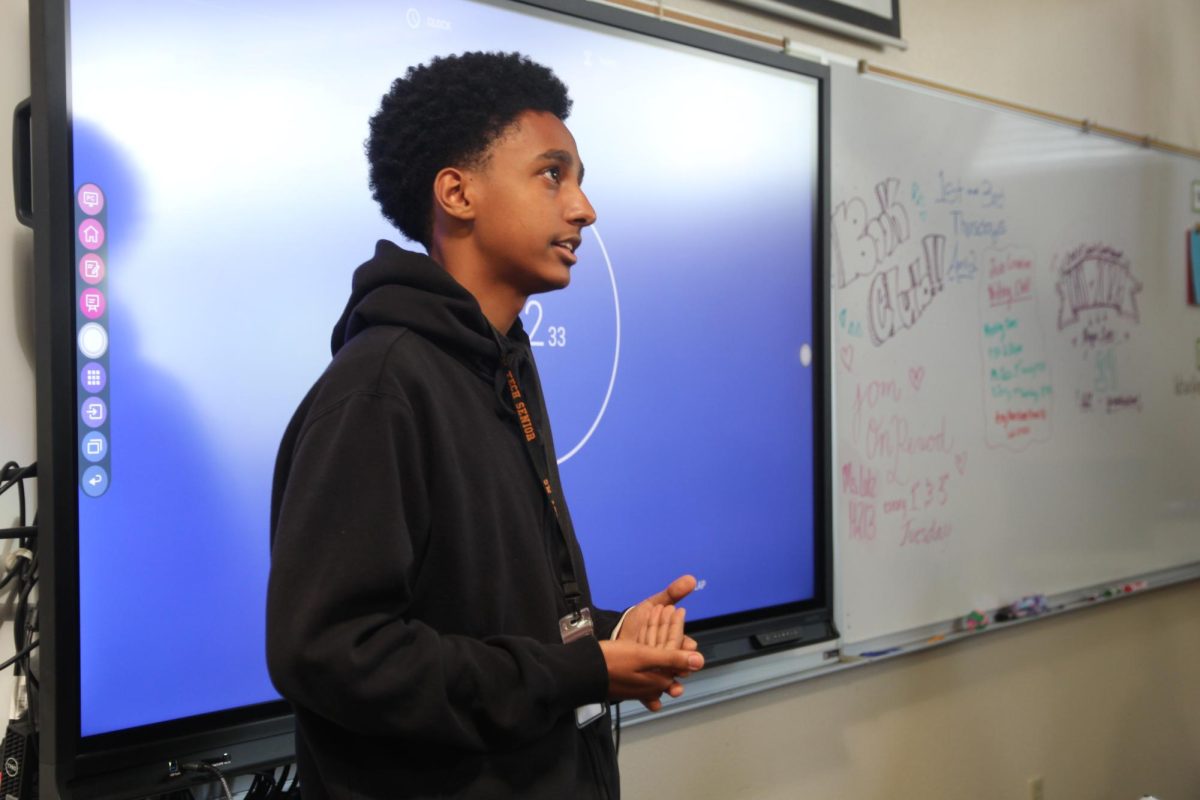
All 19 of the graduating valedictorians were given the opportunity to create and record video segments that commemorate and celebrate their past, present and future achievements, impacts and aspirations.
“For me, being valedictorian doesn’t necessarily mean being the smartest, it’s definitely more about the personality traits that a person has. I mean, what’s the point in being smart if you don’t have anyone else that really likes you?” Valedictorian Ryan Navarrete-Pak said. “I reflected this in my video by talking about the family that raised me and taught me not only that life includes being a sweet-hearted person and giving others a chance, but also that it has disciplines to it, and that if you really want to get something, you have to take it by the reins and get it yourself.”


![Construction continues at Little China Plaza, located west of Southwest CTA. The project moves toward its expected completion in late 2026. “It’s a cool opportunity to see and know more businesses, because there’s already a new Urban Matcha here,” senior Roman Maynigo said. “I just think [it’s amazing] of the practicality of [everything] in the area.](https://southwestshadow.com/wp-content/uploads/2026/05/Screenshot-2026-05-08-103248.png)