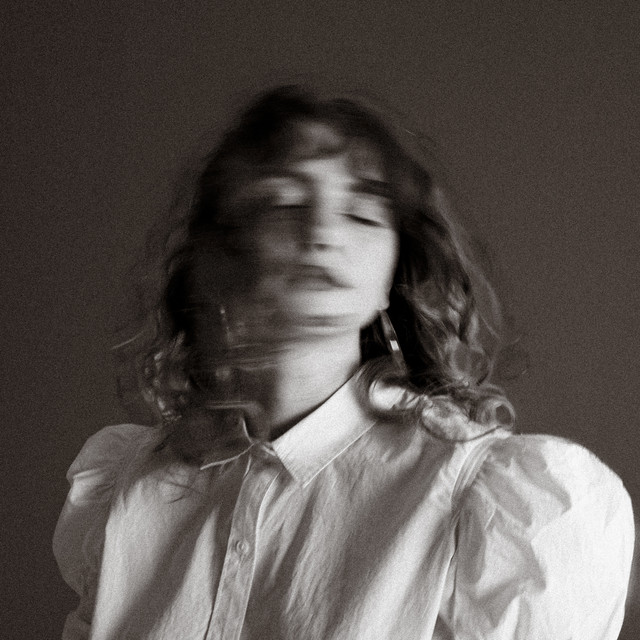
Katie and Allison Crutchfield, following the disbandment of their previous band, P.S. Eliot, went on to pursue successful solo careers for the past few years. Now, the sisters have decided to take a new direction in their music journey, reuniting under their brand new band, “Snocaps.” Produced by Brad Cook and MJ Lendermen, this self-titled debut album encapsulates growing pains, love and separation through an indie-rock album.
The Crutchfields are not newcomers when it comes to making music. Over the span of five years, the duo has released a demo, an EP and two albums together. Their most notable album,“Introverted Romance In Our Troubled Minds,” reflects a sense of restlessness and escapism that characterizes their early songwriting.
By contrast, Snocaps’ debut album offers more of a conversational and self-reflective tone. On “Wasteland”, Katie sings, “Saying everything I think I am / I am shrapnel, I am anxious resistance / Confrontation, crack me open / Baby let it all out.” Here, the lyrics capture unashamedly opening up and admitting one’s own flaws. The angsty themes are replaced with acceptance, symbolizing personal and artistic maturity.
Musically, P.S. Eliot thrived on fast, punk-driven tempos and unrefined haste. The rhythms were strict, yet adamant, creating a sense of everlasting movement that would seem as if the singer’s thoughts were all spilling out at once. Snocaps, however, embraces more measured pacing and lively range. Songs like “I Don’t Want To” and “Hide” feature mid-tempo, layered guitar and delicate percussions that allow for thoughtfulness, rather than back-to-back tedious amounts of tension build up within the same album.
Where P.S. Eliot’s rhythms felt as though they could reside somewhere deeply in your stomach – like a pit or an ache in your heart, Snocaps’ music stems from a more resonant location, as if all of the songs featured on Snocaps were created with more contemplation.
The first song, “Coast”, starts with a slow tempo that is carried with lyrics and a strumming guitar, which soon distorts into a punk song. The message conveyed throughout this song revolves around the idea of feeling unstable–essentially, being unable to “never just coast” as the song states. The first lyrics state, “Close your eyes in the passenger seat / Remember you can trust me / I am not as evil as you think,” showcasing that the distrust lies within the internal conflict that the singer is facing. Not to mention that the upbeat drums, exaggerated guitar and tone of dissatisfaction all play a major role in this, but also highlight the broader emotional range the sisters have gained over years of songwriting.
“Avalanche” was a standout track to me, lyrically. The song starts with an upbeat tempo, something the album does not feature a lot of, and includes themes of finding yourself and making meaningful connections. The lines, “Don’t worry about me / I’m only desperate if I’m dreamin’,” continue to repeat throughout the song, as if the singer is trying to convince themselves or someone else that they have the self-control and confidence to pursue relationships, an ongoing problem that seems to be a common theme throughout the album. The instrumentals and lyrics achieve what acceptance and growth feel like, giving the listener a more enhanced and emotional listening experience.
All of the songs are built on mature vocals, clean guitar lines, and deep bass tones that complement the sisters’ refined songwriting and broader emotional range by reflecting on personal growth. The production by Brad Cook and MJ Lendermen allows for delicacy and artfulness that makes a statement of its own in each song, letting every lyric and instrumental choice align level-headedly.
The evolution from P.S. Eliot to Snocaps can be traced all the way back to a journey of urgency. The desire to make music, move on and yearn for more musical knowledge is what led the Crutchfield sisters to have the careers they have now. The sisters have conserved the vulnerability that made their early work resonate, but have since then prompted it with patience, self-awareness and a willingness to allow silence and space make as much of a statement as loudly as distortion and tempo once did.