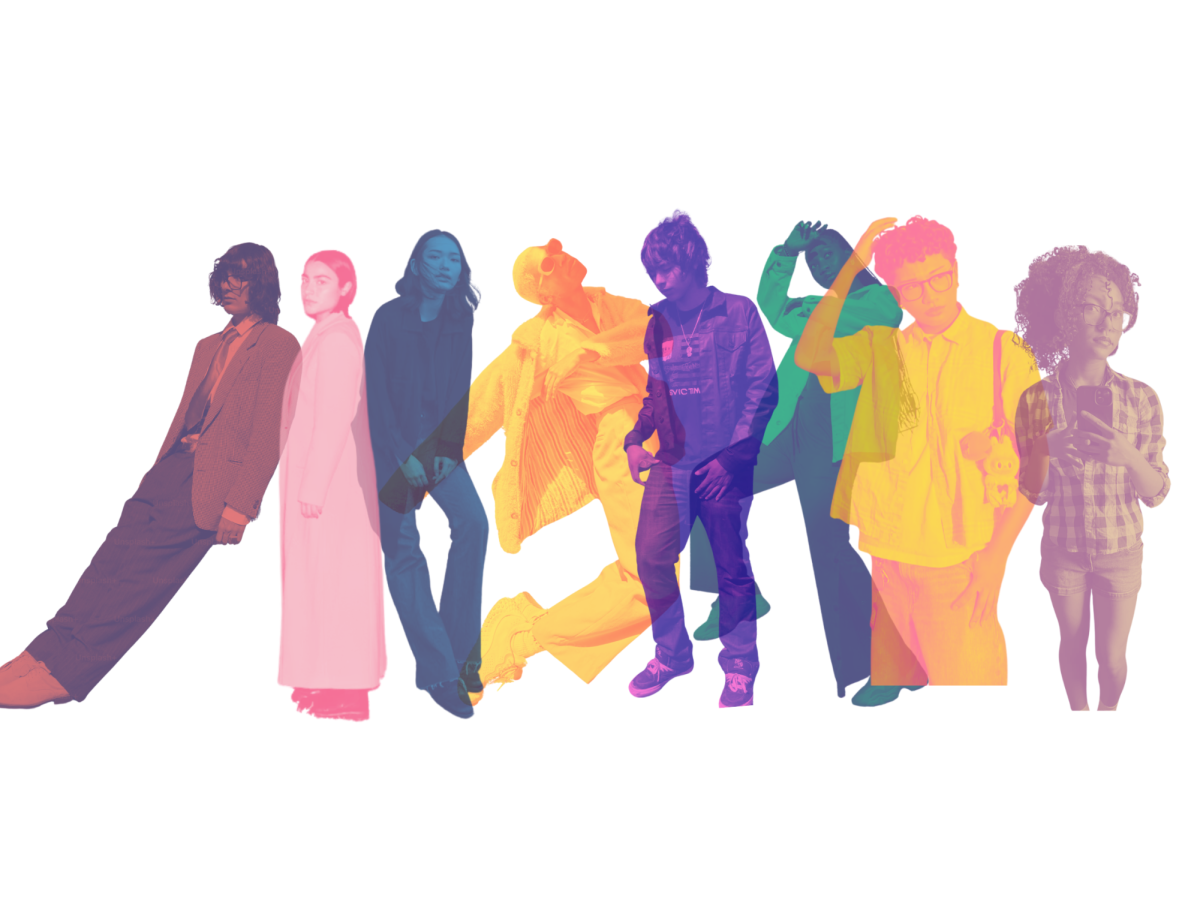
Like. Post. Share. Self-expression is no longer limited to public discussions or private journals. Whether it is through curated feeds, adopting popular memes, or styling new fashion, online trends influence how students present, communicate, and view themselves.
A 2021 study by Al-Khouja explains that self-expression is the process of communicating thoughts, preferences, and personal styles across numerous social contexts, which range from different social situations, groups, and environments.
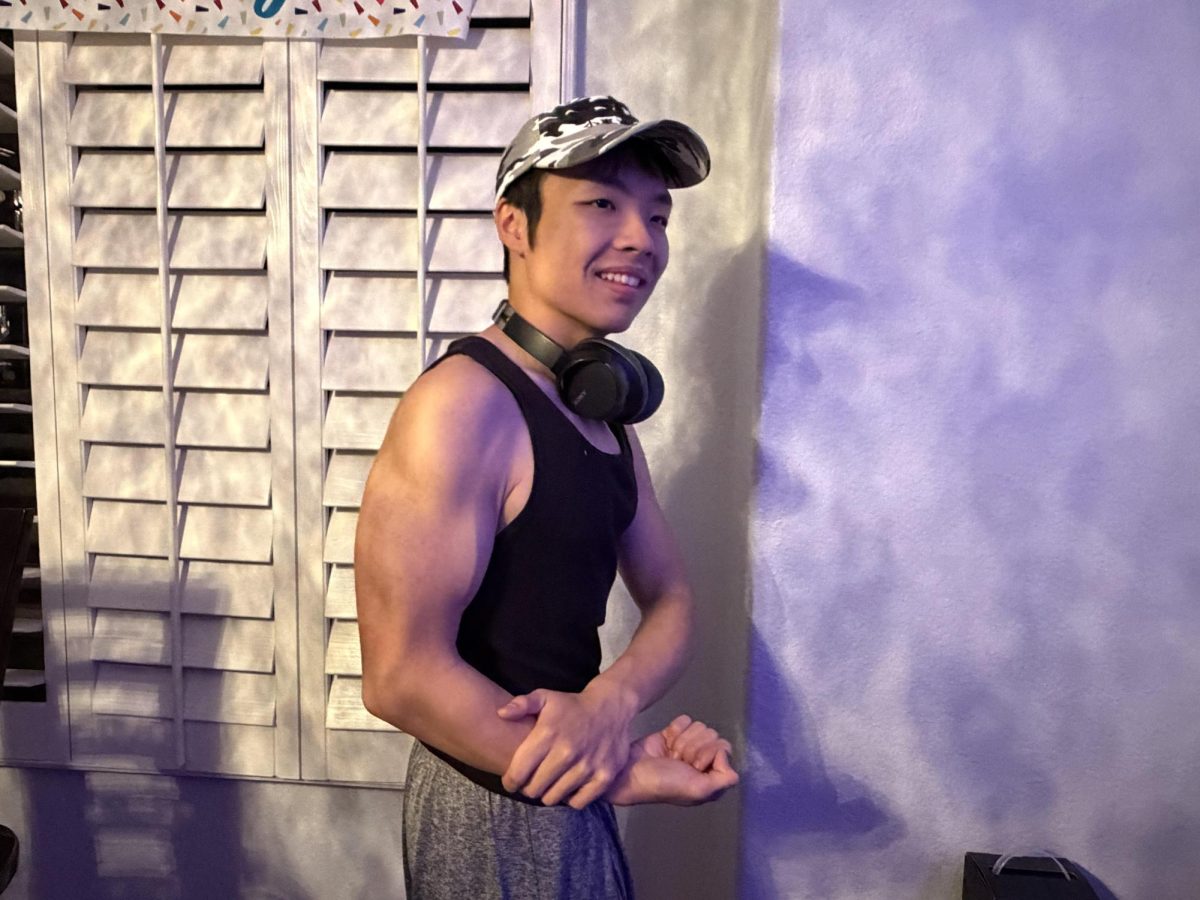
“Self-expression is like showing people who you are,” junior Jazmyne Contreraz said. “It is about letting your personality shine through all the things you do. As a student, it is what helps me stay true to myself.”
A digital study shows that over 5.24 billion people are active social media users globally. On average, they spend at least two hours and 21 minutes per day on social media platforms. Since billions of people are active and engaging with social media, they are very likely to pick up on trends that influence how they express themselves.
“Now, everybody has a phone in their hand,” senior Cinny Luo said. “I am constantly online, browsing through websites and doomscrolling videos. I keep up with trends by being active on social media, and it shapes the way I see things. For example, I keep up with a YouTuber called Wested Arin, and I take influence from her style and aesthetic.”
Social media has emerged as a dominant force in modern society, influencing nearly every aspect of life, especially for young adults. Platforms, such as Instagram, TikTok, and Facebook, are virtual spaces for trends and communities to emerge.
“Personally, I try to express myself authentically and do not heavily rely on trends,” senior Naina Negi said. “I’ve noticed that when I was a freshman, I was more likely to fall for silly trends and compulsively buy things I really did not care much about.”
Social media can create an environment where students feel pressure to conform to popular fads and idealized online standards. This pressure can influence how teens choose to represent themselves. Teens redefine what they consider “normal” or “popular,” influencing the ways they choose to express themselves.
“Many times, people become followers or ‘sheeps’ to trends, blindly following what they see online without forming their own opinions,” Negi said. “I have seen several things go from trendy to corny or outdated in just a matter of months. The Labubus are a great example; people would hunt down and aggressively buy these keychains, but now many are selling them due to the decreasing popularity.”
SOCIAL MEDIA & SELF EXPRESSION by Karmen Cao
Rae Jacobson, an ADHD expert and former senior editor at the Child Mind Institute, explains that when teens build idealized versions of themselves online, they can become discouraged or frustrated when they notice the difference between that image and their real selves.
“Whenever I post on social media, I spend hours of my day curating the perfect story for everyone to see,” Luo said. “I feel like I am constricted with my own post, even if I choose to in the first place. Everything I do must fit this online persona that I have, which feels suffocating at times.”
Instead of focusing heavily on trends, turning toward more authentic ways of expression can help someone feel more genuine and personal.
“When you actually express yourself freely, your self-esteem grows because you are being true to yourself and you know that you are living for yourself,” Luo said. “Once I started to stop caring so much about what other people think, I started to understand myself more, which boosted my confidence and made me feel comfortable in my own skin.”




![Many teenagers are reluctant to receive professional support for mental health. There are various factors that play into teens not getting the help that they need. “[Teenagers] might feel that even though they're talking to someone, they still don't feel heard,” freshman Jaeda Gonzales said. “I've noticed that a lot of times when I try to talk to someone about my problems, it doesn't really click [with] them. [It’s] like they're making up their own story about my story in their head and they're just getting it all twisted.”](https://southwestshadow.com/wp-content/uploads/2026/05/mental-help-graphic.jpg)
![Many food trends gain attention because of viral influencers or appealing visual aspects. This has continually drawn approval and admiration from consumers before they had even tried the product. “Food trends [are popular] because it’s such a big build-up, especially from influencers,” junior Myles Jenkins said. “They think something’s cool, then they post it everywhere on social media, and then other people just want to do it so they can experience it and post about it. People want to just feel seen by doing the same thing, especially with food, a common way that people could connect.”](https://southwestshadow.com/wp-content/uploads/2026/04/2-1200x800.png)