
Before she ever advocated for others, social worker Marcella Garcia had to learn how to advocate for herself.
What started as finding her own voice has turned into something much bigger, as now she works to create a space where students feel seen and understood. Through her work, Garcia is not only impacting individuals’ lives, but also pushing for greater acceptance and stronger support for mental health within her community.
Despite having an outgoing personality, Garcia grew up in an environment where nobody would listen to her voice. With this slight downside of growing up, she had to learn how to navigate conversations with energy and passion, using her voice to her advantage.
“I was very outspoken in high school,” Garcia said. “That made me realize how difficult it is to be heard. A lot of times, you are labeled as difficult, mean, or just blunt. I realized that it is very hard to speak up for yourself and be your own advocate, and so I figured I’d use my loud mouth to my advantage.”
Garcia explains that the current diagnostic system relies on outdated and biased information, leading to inconsistent diagnoses between providers.
“As a teenager, I was diagnosed with generalized anxiety disorder, but I have my suspicions that I may also have ADHD,” Garcia said. “The problem with our current system is that we are using outdated and biased information to diagnose, and that diagnosis changes from provider to provider.”
As conversations surrounding mental health and neurodivergence gain momentum, Garcia emphasizes that awareness is insufficient for significant change. She highlights the critical need for persistent advocacy and action. This belief played a key role in her decision to become a social worker.
“I wanted to become a social worker because I feel that not everyone can speak up about injustices,” Garcia said. “Whether it be because they’re scared, they don’t have the background, or because they don’t feel like they have the resources, and I wanted to be that voice for them.”
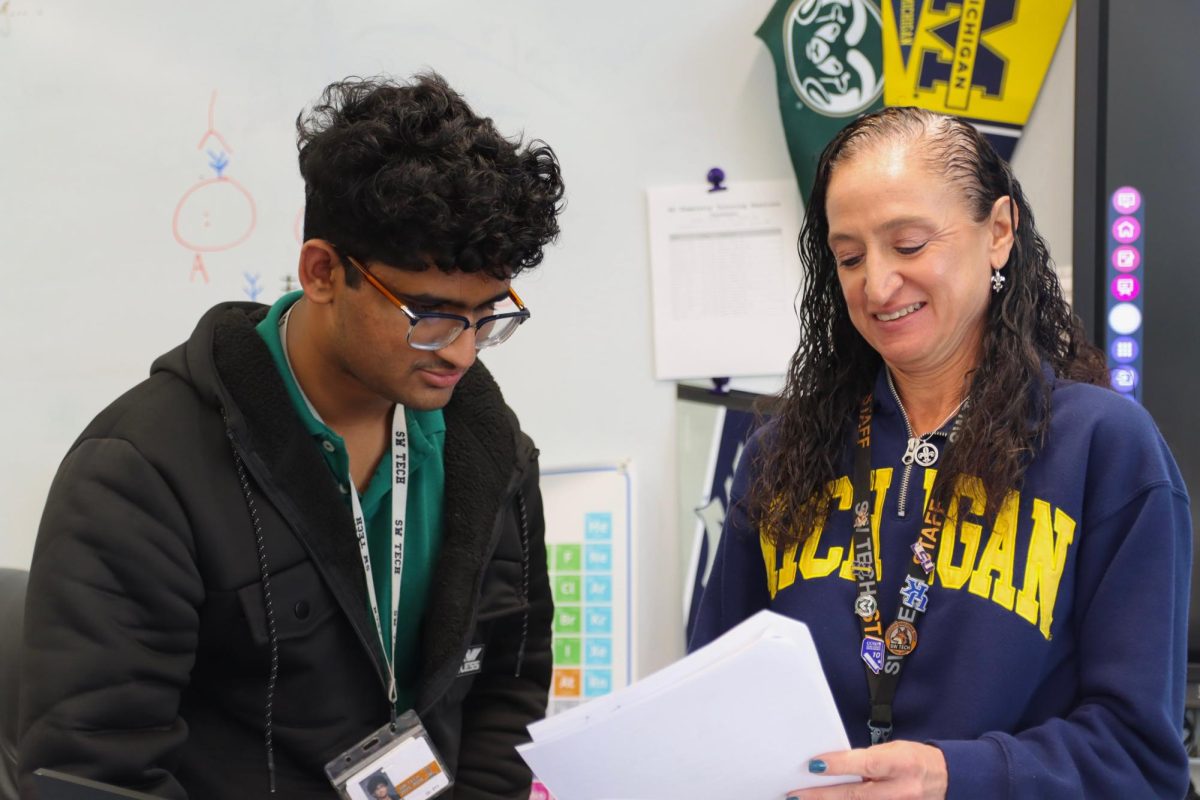
Students at the school say Garcia’s presence has made a meaningful impact on campus, offering guidance and emotional support to those who need it most. Many describe her as a trusted adult who creates a welcoming environment where they feel comfortable opening up about personal challenges.
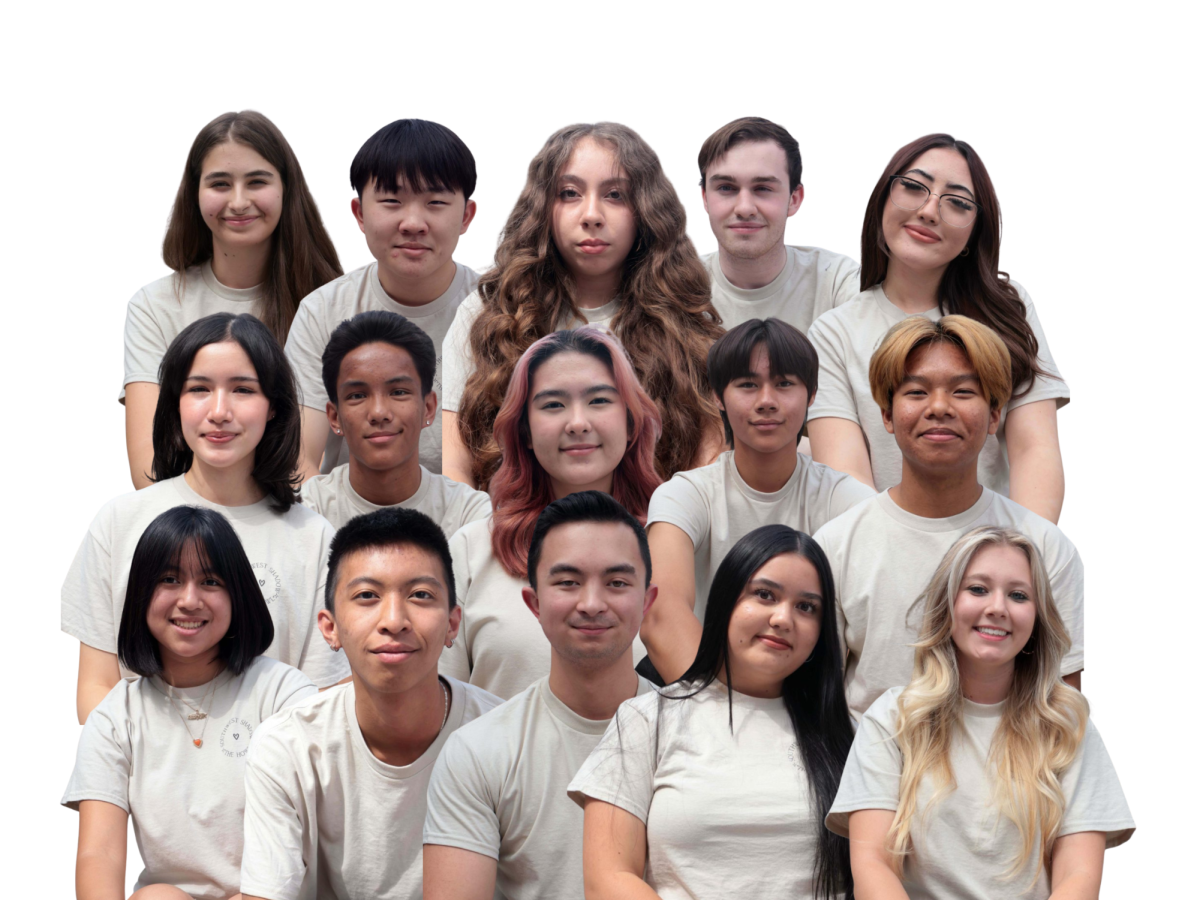
“Having a social worker like her is important because it provides a safe space for students to talk about anything they feel or need to say,” junior Lilia Tapia said. “If she weren’t here, the school would miss a safe space, as well as an outlet [for students] to share their feelings rather than go to unhealthy habits that can damage their health and wellbeing.”
Garcia has earned deep trust among students and staff through her authenticity. By simply being present, she builds trust with students through confident communication and active listening.
“Students trust Mrs. Garcia because she is very genuine. I think students and even staff see that,” social worker Joselyn Kim said. “I don’t think it’s too difficult to earn the trust of teens if you just meet them where they are at and listen, and she does this.”
Garcia is a dedicated advocate for her students and consistently addresses key issues in students’ lives. Her commitment to their well-being shines through her actions and continues to prove her goal to prove to students that they can persevere.
“There have been several events where she has advocated for students, whether it has been for behavior, academic, or mental health,” Kim said, “I am sure her students would agree.”
Garcia also works to challenge common misconceptions surrounding neurodivergence, emphasizing the importance of self-advocacy. Through both her professional work and personal experiences, she encourages others to recognize that differences in how people think are not flaws but variations that require awareness and support.
“People with neurodivergence are different in some ways, and that’s okay,” Garcia said.
“Neurodivergent individuals struggle with convincing people that we have a disability, or that our brains work differently, it’s not necessarily a deficit, it’s just that what works for neurotypical people won’t always work for others, it’s not like one is worse than the other, we both have weaknesses and it’s really about learning what works best for you and learning to advocate for yourself.”
She also explains how common misconceptions can affect accommodations and perceptions of ability. Typically, people view these disabilities and accommodations through a limited lens, which creates challenges in correctly assessing individuals according to their needs.
“How can we expect something that works for someone with anxiety to work for someone who has ADHD?” Gracia said. “I think that is something important to realize, especially when thinking about what accommodations work and don’t work. We don’t make students with physical impairments work for their mobility aids. Yet children with more invisible disabilities are often called lazy or unmotivated. Adults tend to make them work for their accommodations or feel they have the right to decide whether or not to provide it.”
Garcia often challenges the idea that neurodivergence is a weakness. She believes it represents a different way of experiencing and interacting with the world. With proper understanding and proper support, these differences can become strengths.
“In reality, [neurodivergency is] a different way of experiencing and interacting with the world.” Garcia said, “And when we provide understanding and appropriate support, those differences can become strengths. In the social work world, disability is a neutral word. We don’t have to sugarcoat it by saying things like ‘differently abled.’ It just is what it is, and we all have to do our part to make the world more accessible. An appropriate accommodation can literally make or break someone’s world.”
To her, becoming a social worker was much more than listening to people’s problems. Garcia understands the importance of having a compassionate ear and hopes to empower others to take charge of their lives.
“Social work matters because there is so much awareness around mental health or neurodivergent brains,” Garcia said. “I don’t believe that we are where we need to be, so this work matters because if we are not doing it, then who is?”
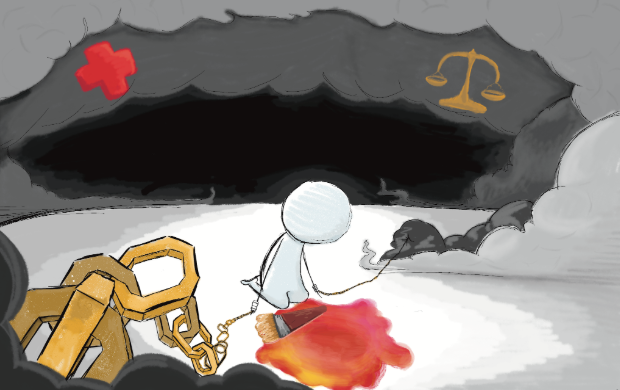

![Many teenagers are reluctant to receive professional support for mental health. There are various factors that play into teens not getting the help that they need. “[Teenagers] might feel that even though they're talking to someone, they still don't feel heard,” freshman Jaeda Gonzales said. “I've noticed that a lot of times when I try to talk to someone about my problems, it doesn't really click [with] them. [It’s] like they're making up their own story about my story in their head and they're just getting it all twisted.”](https://southwestshadow.com/wp-content/uploads/2026/05/mental-help-graphic.jpg)
![Many food trends gain attention because of viral influencers or appealing visual aspects. This has continually drawn approval and admiration from consumers before they had even tried the product. “Food trends [are popular] because it’s such a big build-up, especially from influencers,” junior Myles Jenkins said. “They think something’s cool, then they post it everywhere on social media, and then other people just want to do it so they can experience it and post about it. People want to just feel seen by doing the same thing, especially with food, a common way that people could connect.”](https://southwestshadow.com/wp-content/uploads/2026/04/2-1200x800.png)


![Grabbing her phone to take a photo, sophomore Vanessa Ta sits down on a bed and takes a couple photos to post on her social media. “I just really [feel] that my favorite cosplayer is everyone lowkey, because I get to see people’s creativity,” Ta said. “I get to see how skilled and talented they are.”](https://southwestshadow.com/wp-content/uploads/2025/10/55A1FC60-BE63-4F24-9B78-65194336319E-e1760926431267.jpg)
![In his fifth period World History class, Thur works with his students individually, helping them as they sort through notes and assorted historical documents. “I’m always willing to try something new,” Thur said. “Some of my best ideas that I’ve received over the years are from students. This year I’m trying out stations for the first time and kids are rotating through and it’s working. Well, some things are [working], I’ve still got to work out the kinks with it. The kids change, why shouldn’t I change too?”](https://southwestshadow.com/wp-content/uploads/2025/10/IMG_8991-1200x800.jpg)