The teenage years are known to be marked with confusion as youths everywhere struggle to figure out who they are and what they want to do with their lives. These changes can lead to students experiencing personality shifts, sometimes changing the types of people they choose to spend time with. For many teens, switching between friends and friend groups can lead to feelings of isolation and loneliness.
Each high school friend group is unique. Some are made up of eight or more people, while others prefer a smaller group of three to four. Others still find themselves tied to one close friend and drifting between friend groups in their search for the people who truly understand them.
“It feels bad to drift honestly because [as] you go from one friend group to the other, you feel kind of excluded, like you’re not a true friend,” senior Ava Nave said. “You’re not loyal to one specific group, [and] you don’t feel loyal to any single place. It kind of makes you question, ‘What group do I belong to? Am I supposed to have a group?’”
Due to many middle and elementary schools being connected, there are some friend groups entering high school that have been tight knit for several years already. While groups such as these may seem beneficial for those already in them, it is likely that new members of the group will feel disconnected from those who have been there longer, leading to increased feelings of withdrawal, despite being surrounded by friends.
“I’ve cycled through different friend groups because a lot of people have groups that they’ve had since middle school,” Nave said. “I think it [has to do with] stereotyping, especially in middle school, [where] everyone’s so mean. You’re either a band kid, orchestra kid, a theatre kid, [or] a nerd. So once you get to high school, you still assume these categories. Then, as you progress, it kind of starts to break up more and everyone’s just a person.”
While maintaining their current friendships, teens also tend to struggle with making new friends in high school. Whether it’s the first day of freshman or senior year, connecting with new people is yet another hurdle teens struggle to jump over.
“Making friends in high school can be tough because everything feels new and different, it is a big change,” social worker Joselyn Kim said. “You are around lots of new people and sometimes it’s tough to figure out where you fit in. Some teens already have their own groups and others might feel too shy or nervous to talk to new people. Everyone is still trying to figure out who they are and what they like, so it can take time to find people with similar interests.”
Not having friends not only affects a teen’s outward social appearance, but having to sit alone at lunch, work independently in class or attend school events alone can also have deeply negative effects on their mental and emotional well being.
“When teens don’t have close friends or feel lonely, it can affect their mental health,” Kim said. “They might start to feel left out, insecure, or like they don’t belong anywhere, which can lead to sadness, anxiety, or low self-esteem. It can also make them overthink social situations or assume people don’t like them, causing them to pull back even more and feel lonelier. Having even one real friend or someone who listens and understands can make a huge difference. It gives teens a sense of connection, comfort and confidence that things will be okay.”
A study done this year by Science Direct suggests that the emotional turmoil of friendship breakups can have negative effects on a teen’s physical and mental health. This epidemic of loneliness is not only a social issue, but one that affects every aspect of a teenager’s life.
“I think everyone’s trying to fit in,” senior Emmy Hedges said. “There’s so many groups and things that you try to fit into, but at the end of the day, you have to be your own person.”
Many attribute this increase in isolation and friendship breakups to the social and personality changes that teenagers undergo throughout their high school career. During these four years, teens spend a lot of time pondering who they want to be and what they want to do with their lives. This kind of introspection leads teens to realizing their own personal values, as well as the kinds of people they enjoy hanging out with.
“I think a lot of friend groups drift apart when there’s some form of contention, [and] when that contention builds too much…it’ll blow up and explode the group,” junior London Burt said. “Having friends helps me know that no matter how rough things get, I have people to lean on. People who love me and will help me, even if it’s the same problem over and over and over. You’ve just got to focus on the ones who choose to stay.”
While these changes can sometimes break apart long-term friendships, they can also bring like-minded people together. Despite the drama and stress that can come from a strained friendship, having stable relationships with other teens can greatly improve the high school experience, helping teens feel supported and cared for.
“Having friends in high school is important, but it’s not about having a big group, it’s about having the right people around you,” Kim said. “Friends give you a sense of belonging and support when everything else in life is changing. They’re the ones you can talk to, laugh with, and rely on when things get stressful, [they] make the challenges of high school feel more manageable. Good friends can help you grow into yourself. Even one or two genuine friends can make a huge difference.”




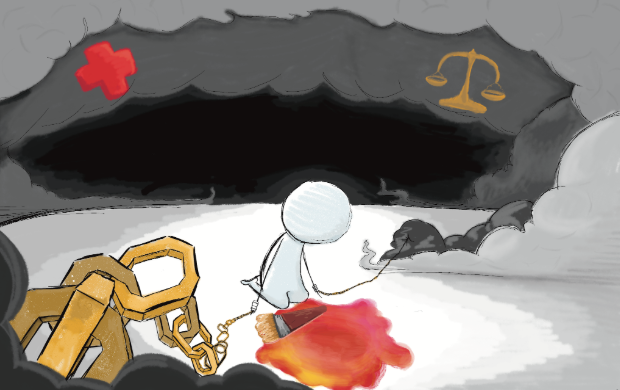


![Many teenagers are reluctant to receive professional support for mental health. There are various factors that play into teens not getting the help that they need. “[Teenagers] might feel that even though they're talking to someone, they still don't feel heard,” freshman Jaeda Gonzales said. “I've noticed that a lot of times when I try to talk to someone about my problems, it doesn't really click [with] them. [It’s] like they're making up their own story about my story in their head and they're just getting it all twisted.”](https://southwestshadow.com/wp-content/uploads/2026/05/mental-help-graphic.jpg)
![Many food trends gain attention because of viral influencers or appealing visual aspects. This has continually drawn approval and admiration from consumers before they had even tried the product. “Food trends [are popular] because it’s such a big build-up, especially from influencers,” junior Myles Jenkins said. “They think something’s cool, then they post it everywhere on social media, and then other people just want to do it so they can experience it and post about it. People want to just feel seen by doing the same thing, especially with food, a common way that people could connect.”](https://southwestshadow.com/wp-content/uploads/2026/04/2-1200x800.png)