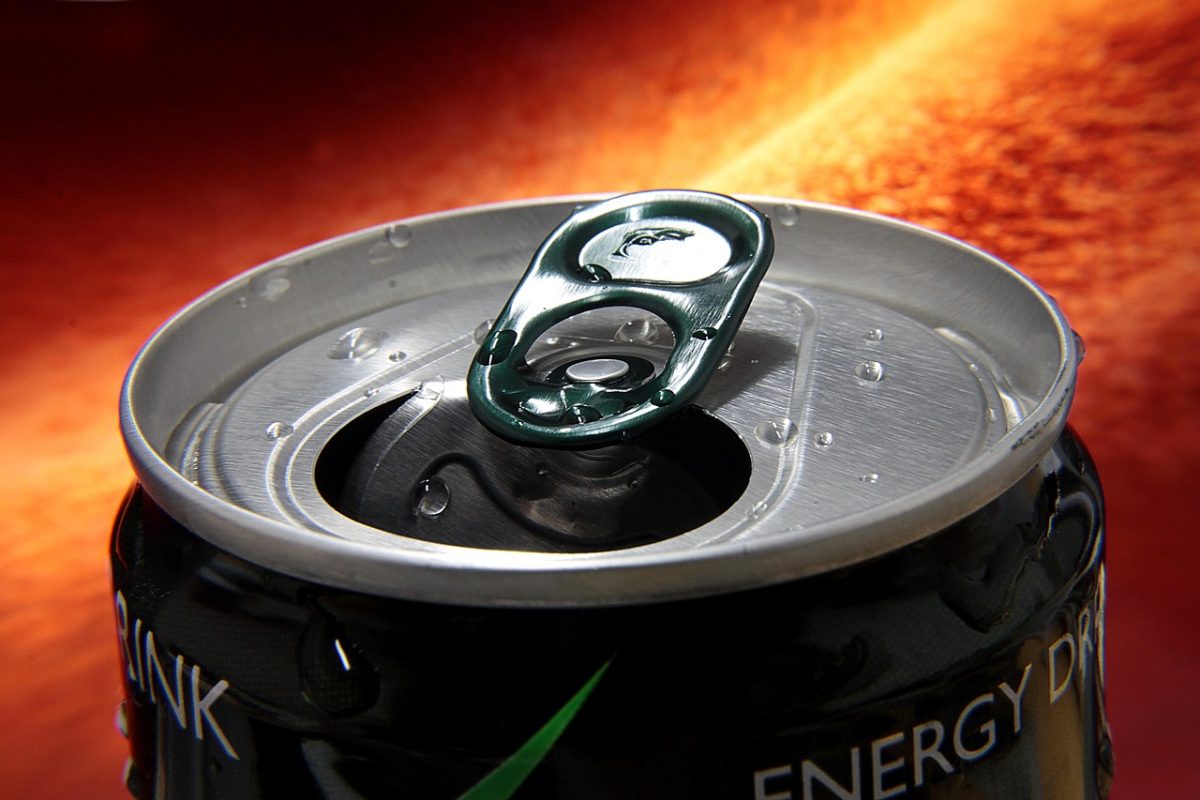
Teens need to stop drinking energy drinks. Between their unique flavors, easy accessibility, and constant social media advertising, they may not seem dangerous at all; teens can find themselves hooked and unaware of the harmful effects they have on their health.
The safe daily caffeine consumption is 400mg of caffeine for most healthy adults. However, many consumers of these drinks range in age from 13 and go up to 35. Just two cans of Monster contain 320mg of caffeine, which is dangerously close to the recommended amount for most healthy adults. Nearly 40 percent of adolescents between the ages 13-19 experience more adverse reactions from energy drinks. These can range from insomnia, jitteriness, nausea and even seizures. This doesn’t even account for the other side effects, such as high blood pressure, increased heart rate, and in extreme cases, hospitalization.
All of these drinks have the same effect: short-term buzz, long-term crash. In just 10 minutes of drinking an energy drink, it enters the bloodstream and in an hour, the effects start to wear off. The shortness of the effects leads students craving for more to keep their “energy” up, reaching for another can. It becomes a cycle of dependence that is similar to addiction. The more they drink, the more they need. With the minimal energy they provide, plus the harmful side effects, energy drinks pose nothing but intense risks to teens and anyone who consumes these products. What seems like a fast solution becomes a constant need, leading to students not being able to function without it.
Energy drinks are easy to rely on, especially for late-night studying or when the exhaustion is too much. But energy drink crashes make the problem worse. Teens need more sleep as they are in a time of fast physical, intellectual, and emotional growth. With the amounts of caffeine they consume, it ruins the REM sleep that is needed for cognitive function and brain development. Instead of helping students focus and making their performance better, energy drinks are sabotaging the necessary energy that they do need to be productive.
The risk is simply not worth the reward. The amount of health problems, addiction, and the impacts on sleep seem more harmful than helpful. There is a need for stricter limitations on how much caffeine these companies can put in one can and how much teens can buy. Students carry immense amounts of stress from trying to balance school, family, work or other responsibilities and energy drinks just make it worse, so allowing students to make their lives harder with addiction and disregarding it as a “normal” thing is unproductive. Energy drinks aren’t providing teens needed energy, it’s taking it away.