Every day, students and professionals suit up and run onto the football field in hopes of future stardom, yet any game could be their last. Watching my favorite players fall victim to avoidable injuries crushes both my hopes as a fan and my respect for a team.
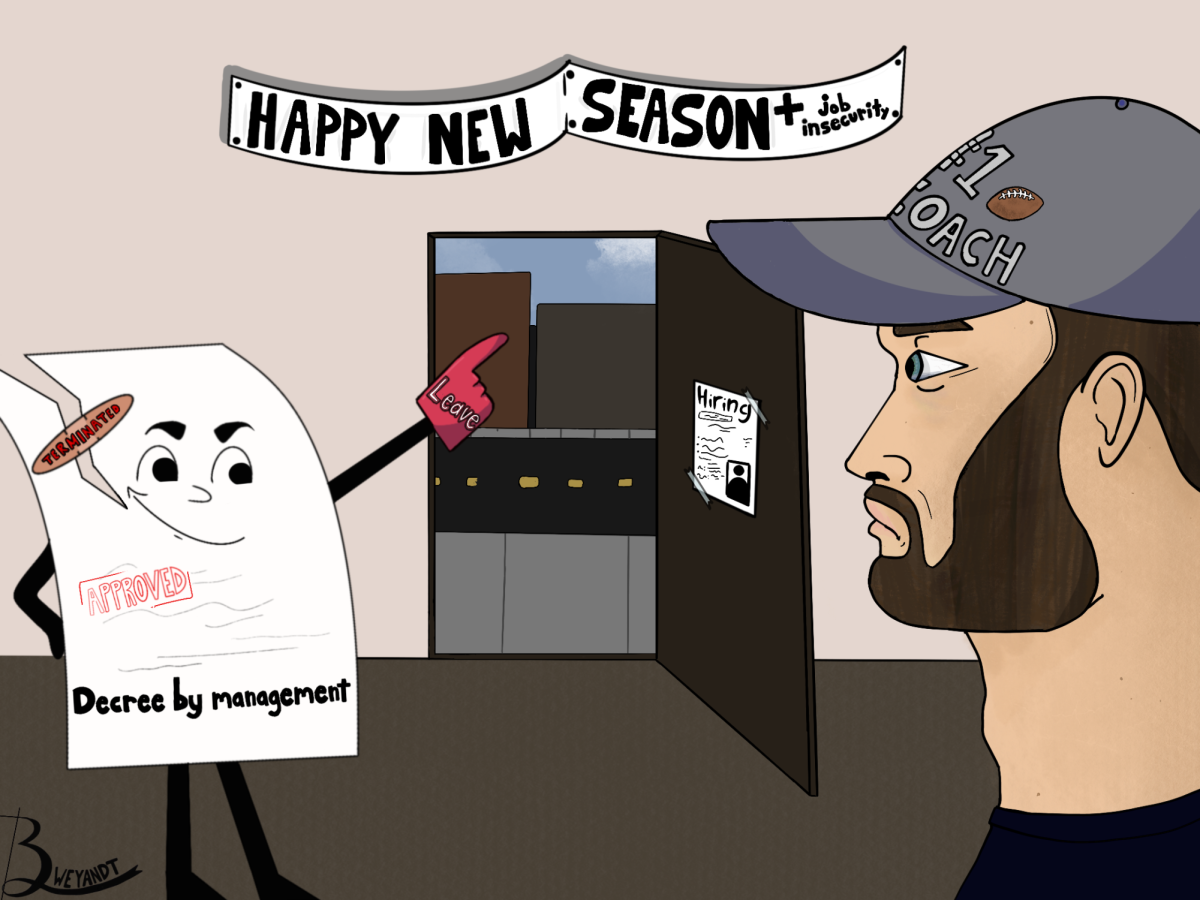
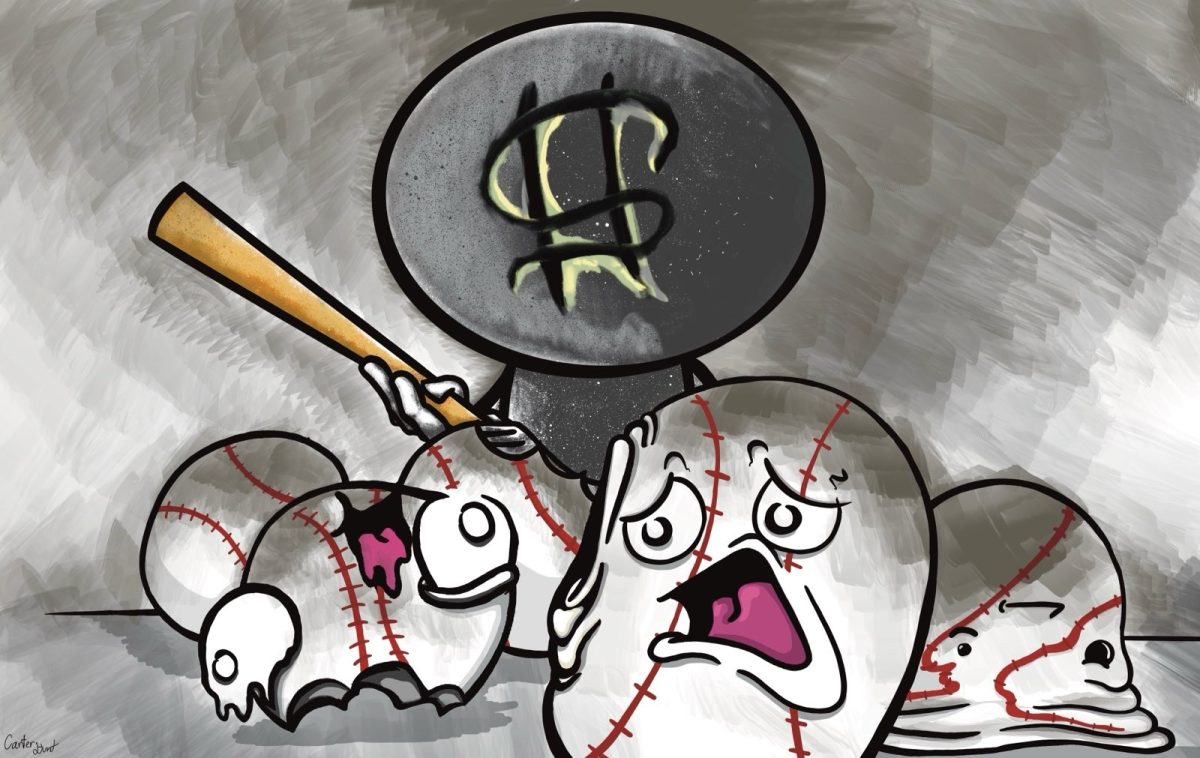
On most levels, a sports team is a business that manages their players as assets rather than humans. The standard for player wellness has gone down while the hunger for profits has only increased. Colleges and franchises have neglected player safety in recent years despite presenting the matter as their priority. A league in which officials and players ignore proper prevention and recovery cannot continue.
While injuries can affect anyone, athletes’ perspectives on them are typically much more intense and personal. The urge for competition and camaraderie while being sidelined can be overwhelming, leading to extreme emotion during recovery. An example is Alex Smith, who suffered a significant leg injury in 2018 that largely affected his mental health. He went on to return to the NFL, but was a shell of a once-great player. He has since been an advocate for sports injuries on the mental and physical side, addressing how crucial proper recovery is. Players in cases like his often feel a loss of identity due to replacement and absence. The hunger to play, even through injury, combined with improper oversight, often ruins the future of promising stars.
Although full recovery is always possible, in some cases, non-contact and head injuries can disrupt a player’s career and life for years. The largest concern is Chronic Traumatic Encephalopathy (CTE), a common condition occurring from head injuries, with a Boston University CTE Center study citing, 92% of former NFL players examined showed signs of CTE. This condition affects a player’s mental capacity and emotions, leading to cases of dementia, suicide, and even murder.
However, CTE isn’t the only problem, as mobility issues commonly arise from non-contact injuries. Athletes aren’t only being cut or traded because of their physical issues, many face depression and anxiety as they watch their team continue without them. These factors can lead to the end of a career, as organizations mistreat players and neglect their well-being by failing to implement proper injury prevention measures. Due to the severity of these injuries, they need to be treated with the utmost care, yet many organizations fail to provide adequate protection.
A key example of how organizations value profits over safety is how many stadiums in the NFL and NCAA continue to use artificial turf over real grass. A study conducted by the National Library of Medicine found that more non-contact and season-ending injuries occur on turf compared to grass due to the stiffness and slipping. The recent ACL tear of star receiver Malik Nabers highlights the growing problem with artificial turf, as it marked one of the many non-contact injuries that have plagued MetLife Stadium. This increase in serious injury would, in theory, prompt owners and institutions to make the switch, but many teams, which generate hundreds of millions in revenue each year, have yet to do so. This stems from the cost of maintenance, proving my belief that organizations don’t value their own players.
The lack of effort towards preventing head injuries and CTE has been apparent. In a 2013 settlement, the NFL promised to pay players compensation based on prior brain injuries in an effort to acknowledge that improper protocol and safety regulations have led to neurological conditions and even death. But, over a decade has passed since this case and while many actions have been taken, the decline in concussions isn’t decreasing enough. With vague, unclear protocols, coaches can pressure doctors to return players early, as Giants head coach Brian Daboll recently did, seen yelling at the team’s physician to speed up concussion protocol after rookie quarterback Jaxon Dart was being evaluated.
Although issues with treating injuries on the professional and collegiate level have been a focal point in recent discussions, the same problems extend down to high school sports as well. The CDC estimates that each youth football athlete experiences almost 400 head impacts per season. This is concerning, as adolescents’ futures can be completely disrupted before they even get the chance to finish their academic and athletic careers.
I strongly believe there is a future where tackle football is still played. However, measures need to be taken for players’ future and safety. Football fans have recently seen the implementation of Guardian Caps, which decrease head impacts by up to 50%. While this is a step in the right direction, it’s completely optional for players to wear this equipment.
Complaints about the lack of airflow have caused players to not wear what should be mandated protection, with only 10-20 players out of the nearly 1700 active wearing the caps this season. Additionally, a clearer and well-enforced concussion protocol would force teams to properly ensure players’ well-being.
Ultimately, the lack of concern for basic safety precautions presents a growing issue in the NFL and sports as a whole. If many franchises continue to delve further into the profit-hungry messes they’re becoming, we will see higher costs and more injuries consuming young talent. Players should not be asked to gamble away their futures as they continue to play the game they love.