Would you want your parents to go to school with you? For decades, students have faced detention, expulsions, and other punishments for breaking school rules. These methods were intended to maintain order and discipline to combat students’ misbehavior during class. However, as schools begin to shift focus to the mental health and understanding of their students, those familiar tools that once served to “improve” behavior may no longer be effective.
More often than not, “effective” punishments do not do much besides give the student who caused that problem a break from class. It is the same cycle every time: the student is called up to the office, meets with the administrator, then is given a punishment that does not thoroughly address how the student’s behavior will improve, nor does it explain why the student acted out. Not only does a student’s behavior quickly become swept under the rug, but there is no effort being made to mentally understand where the student was coming from.
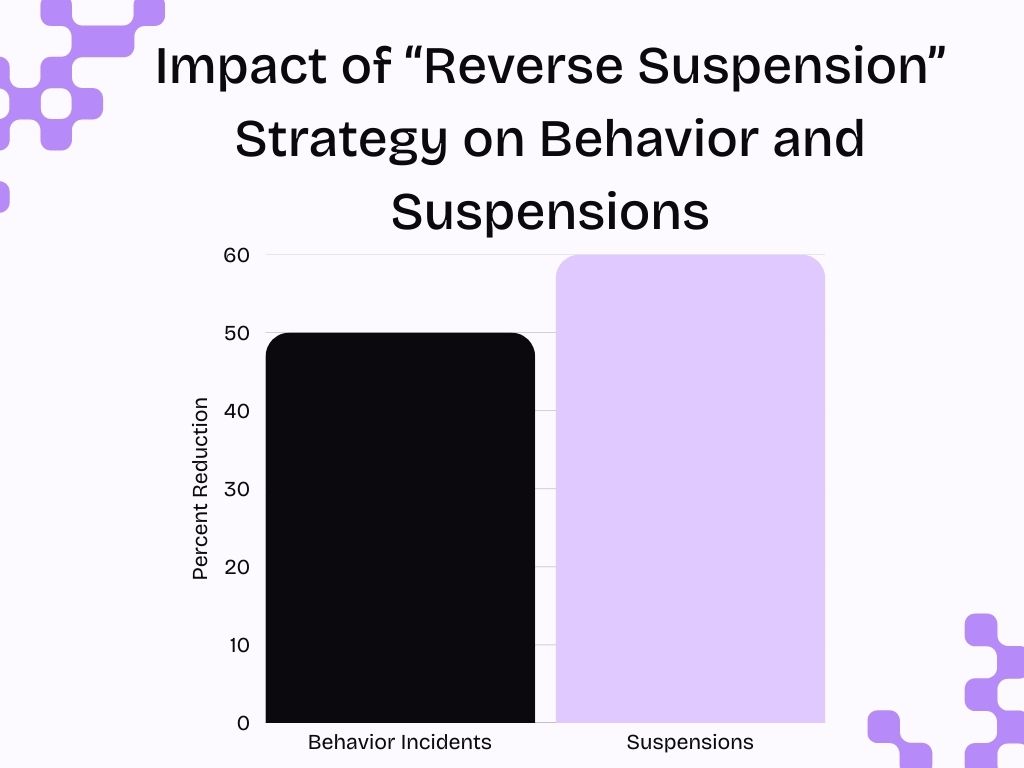
Of course, inappropriate behavior should always be addressed, and it can be as easy as cooperative parent involvement. A great example of this is at a middle school in West Virginia, where they are implementing a new discipline strategy: “reverse suspension.” Instead of a student spending three days at home after being suspended, the parents must attend a day of school with their child. Being seen as embarrassing, bad behavior at that school has reportedly dropped by 50 percent, and school suspensions have been reduced by 66 percent. For schools, this could mean an effective alternative to suspensions and detention.
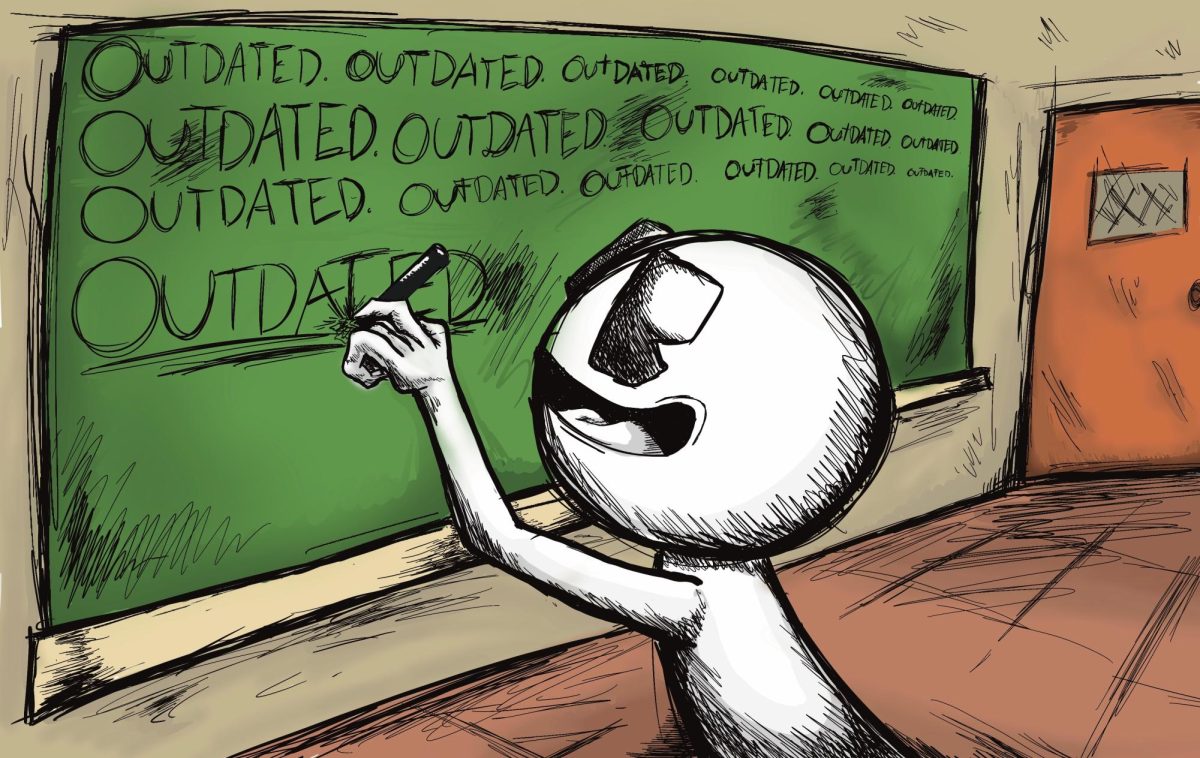
Students are now facing new pressures, social challenges, and emotional demands that current disciplinary action is unable to address. If anything, these outdated punishments worsen the problem by removing the child from their learning environment and ignoring the root cause of their actions. As schools are gaining awareness of students’ individual needs, it is unfathomable why we continue to rely on inordinate strategies that fail to effectively support student development.
With a deeper shift in consequences, there could be a greater increase in proactive behavior changes. The American Civil Liberties Union asserts that punishments that rely on exclusionary actions fail to alter behavior and instead lead to academic decline, dropout, and disengagement from school. Consequences without support leave students open to making the same mistake over and over. Schools must provide students with tools that help them understand their emotions, work through conflict, and make amends. Without that, these punishments do absolutely nothing.
One effective approach that promotes real growth is Positive Behavior Interventions and Supports (PBIS). PBIS teaches behavior as much as schools teach academics, through instruction, repetition, and positive reinforcement. Rather than simply waiting for misbehavior to happen, PBIS creates a system where expectations are taught from the beginning. According to the Institute of Education Sciences, schools in Florida, Georgia, and California have implemented PBIS and saw significant suspension reductions. This drop indicates that when children are aware of what to do, being supported by reminders and recognition, they are far more likely to act in ways that will help them succeed.
Moreover, focusing on mental health is the key. More often than not, when a student acts out, it is ultimately due to something deeper than what’s shown on the surface. Stress, anxiety, conflict, or emotional overload can all play a role in a student’s misbehavior. It’s unfortunate when students who are truly struggling are deemed as “bad,” all because they lacked guidance. It all starts with a lack: a lack of mentors, a lack of support, and a lack of justice for the students who are wrongfully punished on a day-to-day basis.
Restorative Justice is another approach that needs to be adopted in schools, particularly for students unreasonably impacted by exclusionary discipline. Instead of resorting to penalizing punishments, it advocates for accountability and the rebuilding of trust. By allowing students to voice their perspectives and develop effective problem-solving skills, restorative justice not only reduces suspensions but also captivates a more inclusive learning environment.
By implementing techniques that foster genuine improved behavioral skills, schools can abandon useless forms of discipline. Students should develop their communication and problem-solving skills through peer mediation training, conflict resolution workshops, and after-school programs. According to a review by the U.S. Department of Education, schools should consider giving enough support and training to educators and mental health experts to create safe, open cultures in which all kids can feel connected and empowered to seek additional help. This changes the focus of discipline from responding to misconduct to averting it.
Striving for change within a child’s behavior is more rewarding than any sentence they could be administered. Research from the Learning Policy Institute shows this very idea, demonstrating that implementing restorative practices not only reduces repeated suspensions but also improves academic performance, strengthens students’ sense of belonging, and builds a more positive school climate.
Supportive approaches must demand genuine accountability beyond just sitting out of class, such as one-on-one support with a counselor, and restorative practices, all of which require reflection, communication, and repairing harm.
Ultimately, schools must prioritize growth over fear. Good discipline should show students how to change, not accustom them to snub judgment.