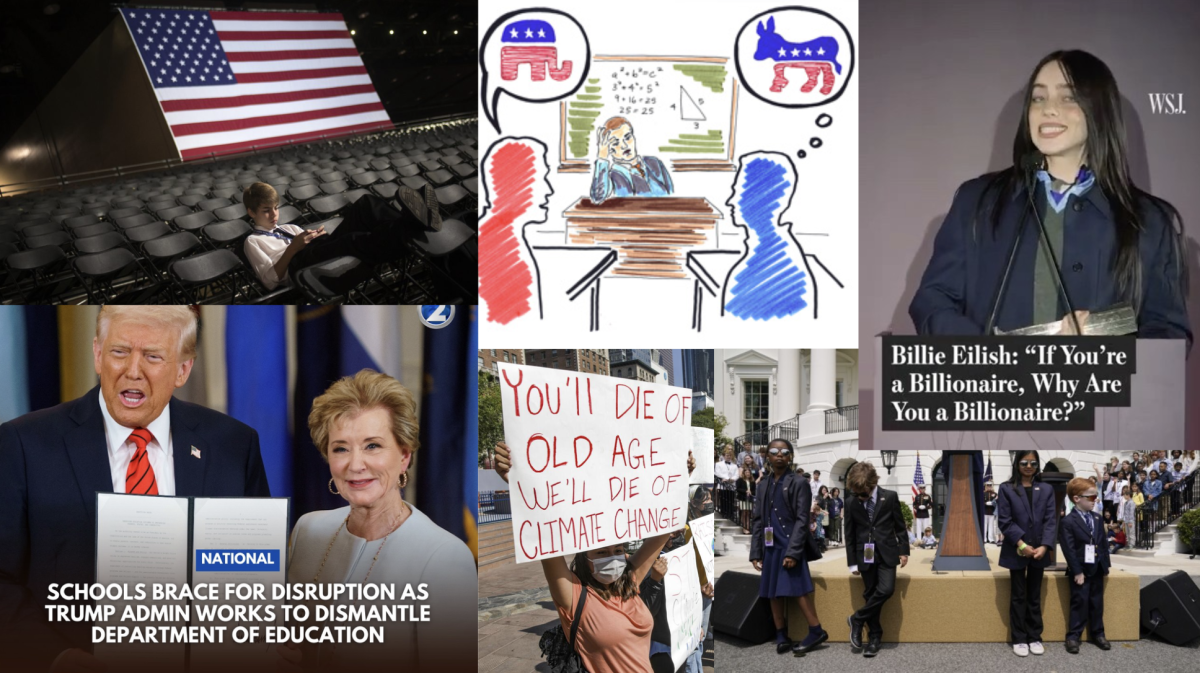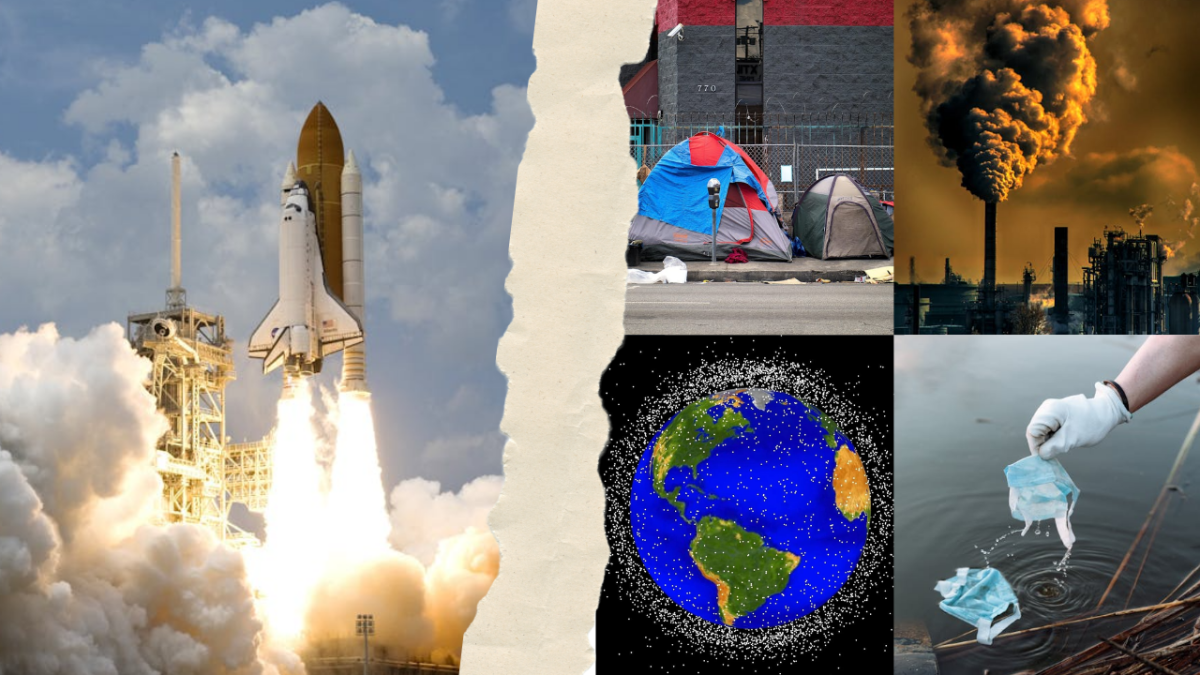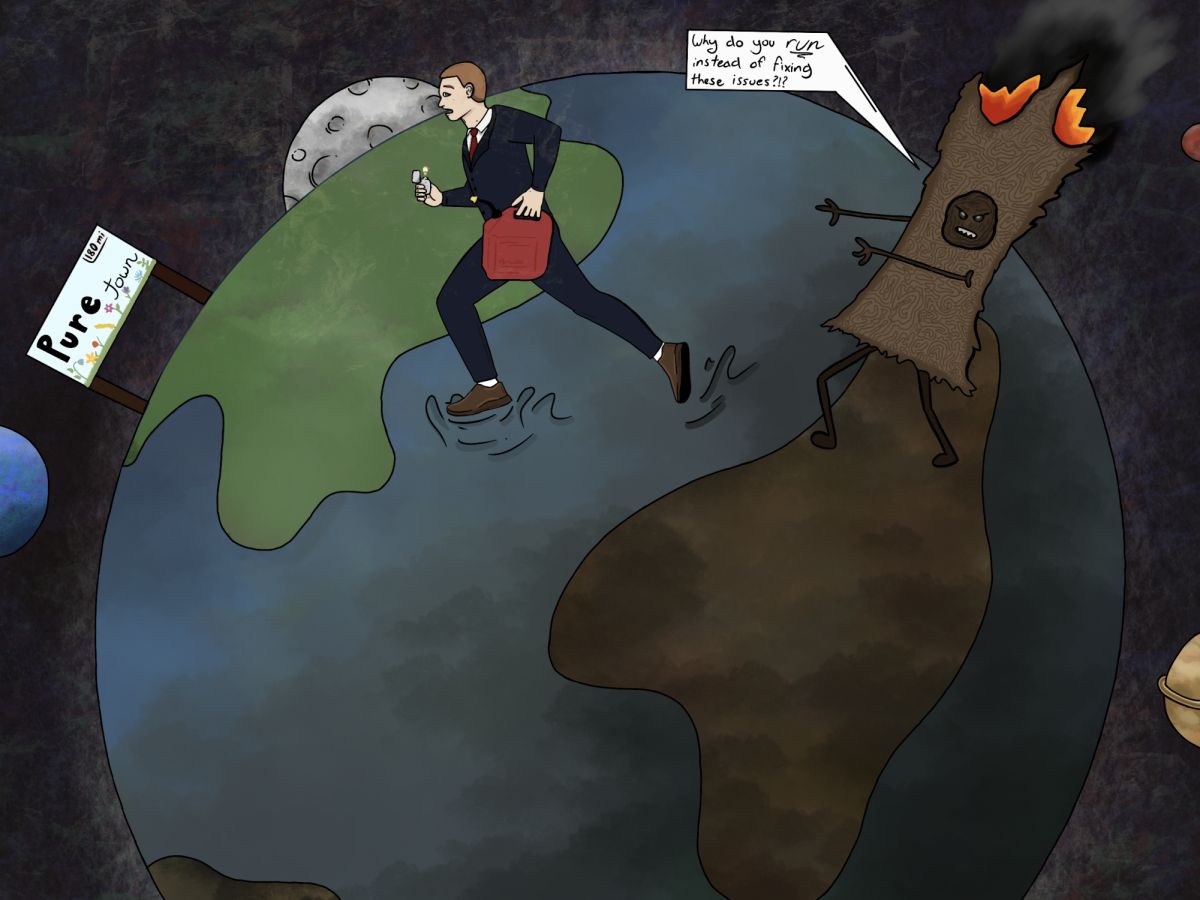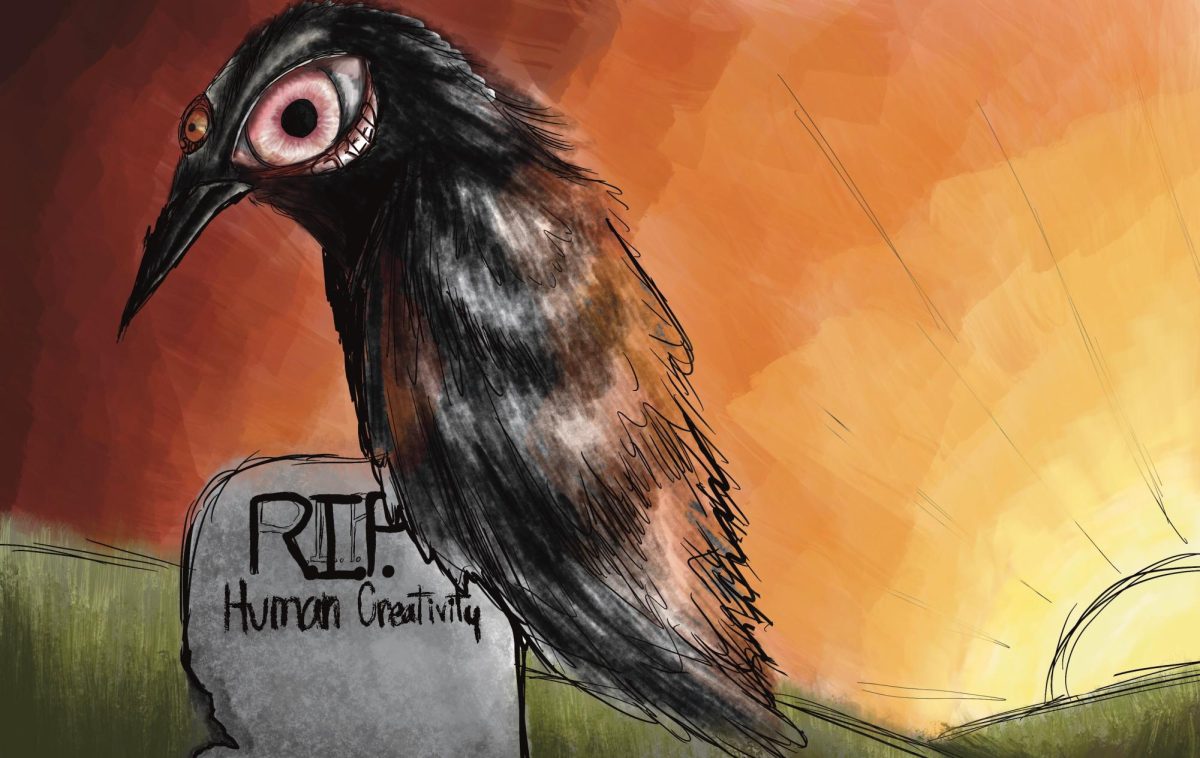
The Doomsday Clock has struck 85 seconds to midnight, the closest humanity has ever been to self-destruction. Over 120 active armed conflicts are happening globally, with 600 million people living in extreme poverty. The rise of disruptive technology is making it clear that it will play a key role in the future of our societies, redefining what it means to be human.
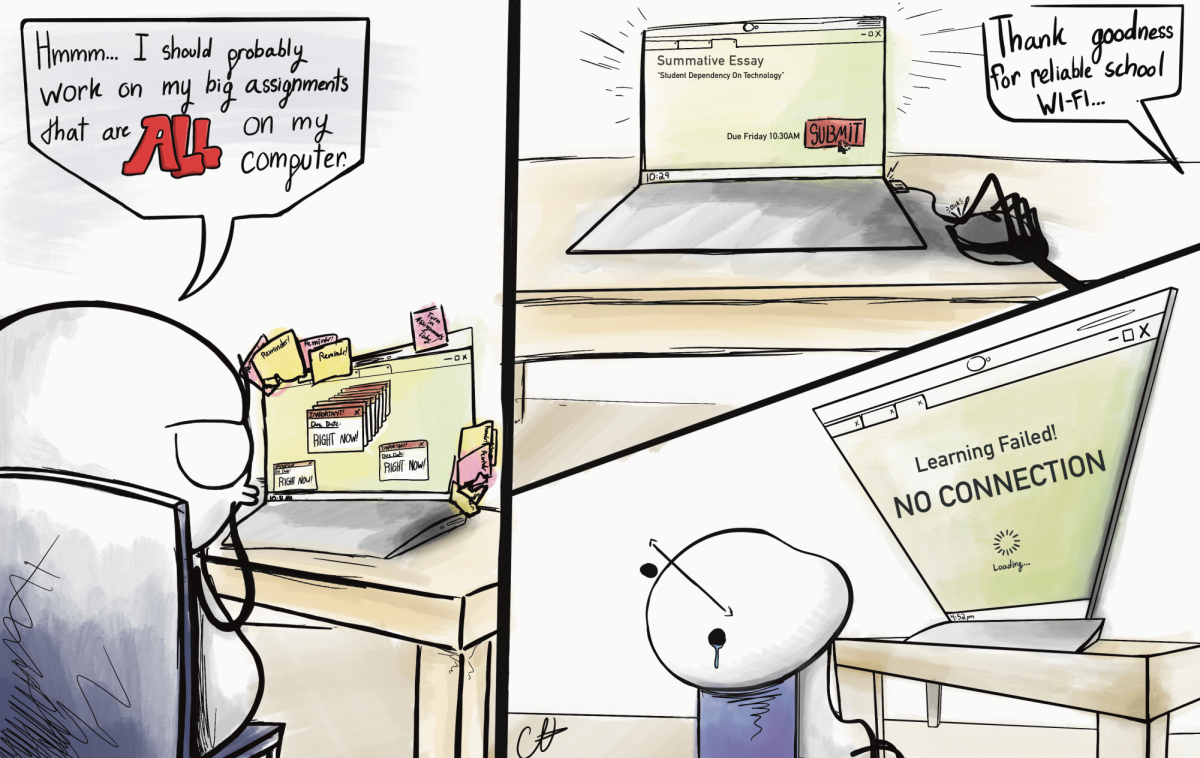
Yet, what stresses us out most is not in the news, but in Canvas.
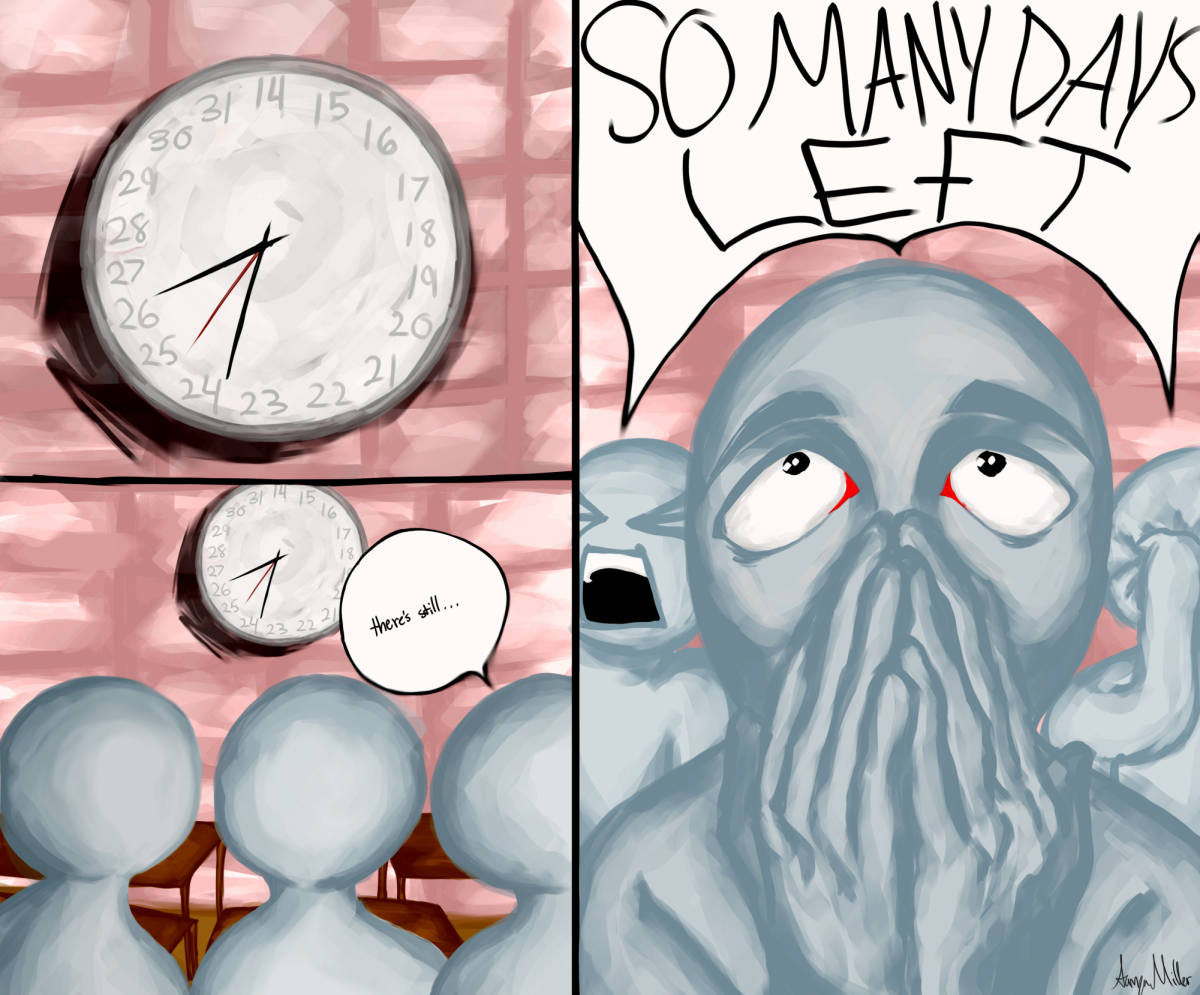
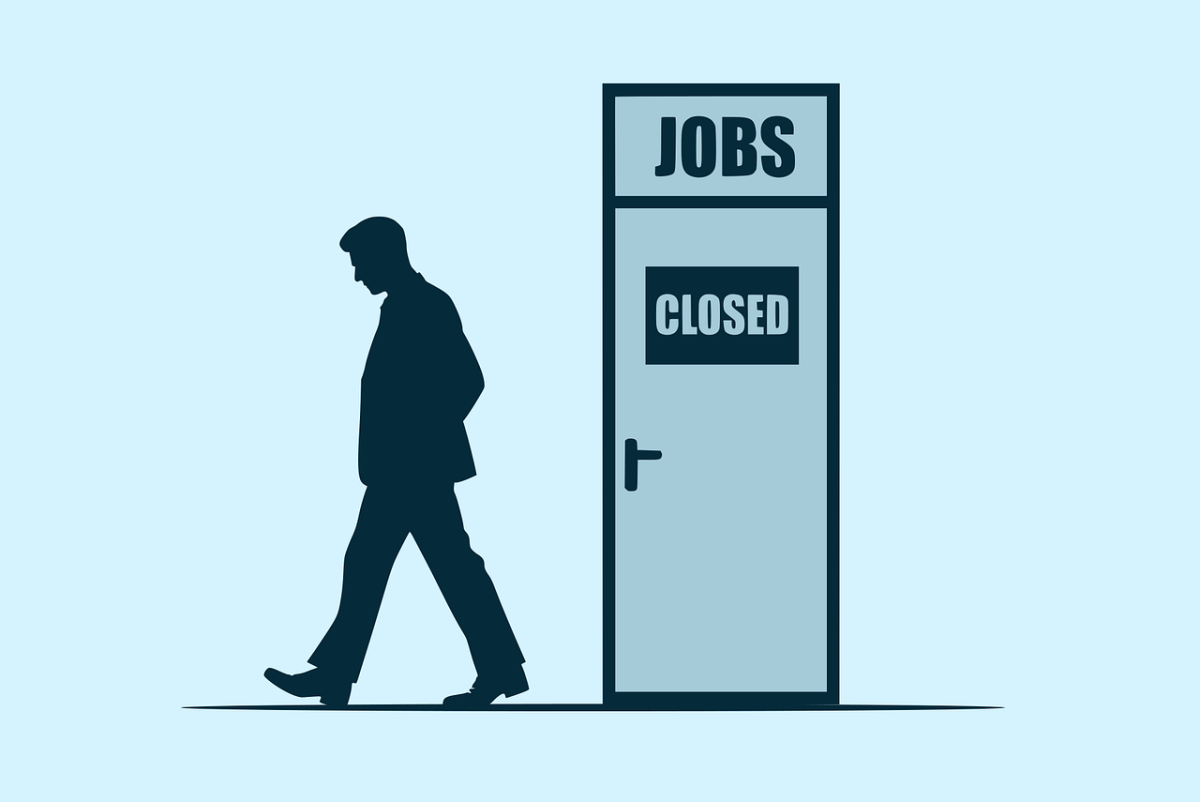
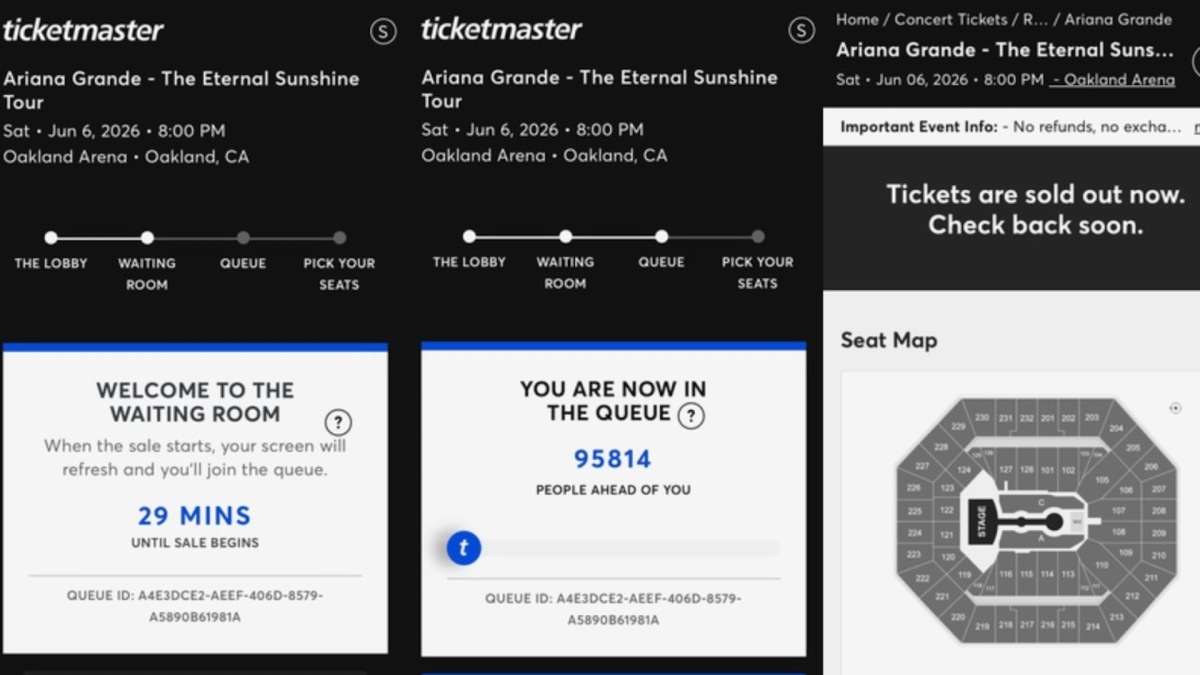
From last-minute cramming to part-time jobs, many of us are often consumed by our own “deadlines.” Although our personal lives are important, we become too focused on smaller parts of a bigger picture. As we worry about achieving our own goals, we tend to ignore central issues and the larger ones that affect us in the long run.
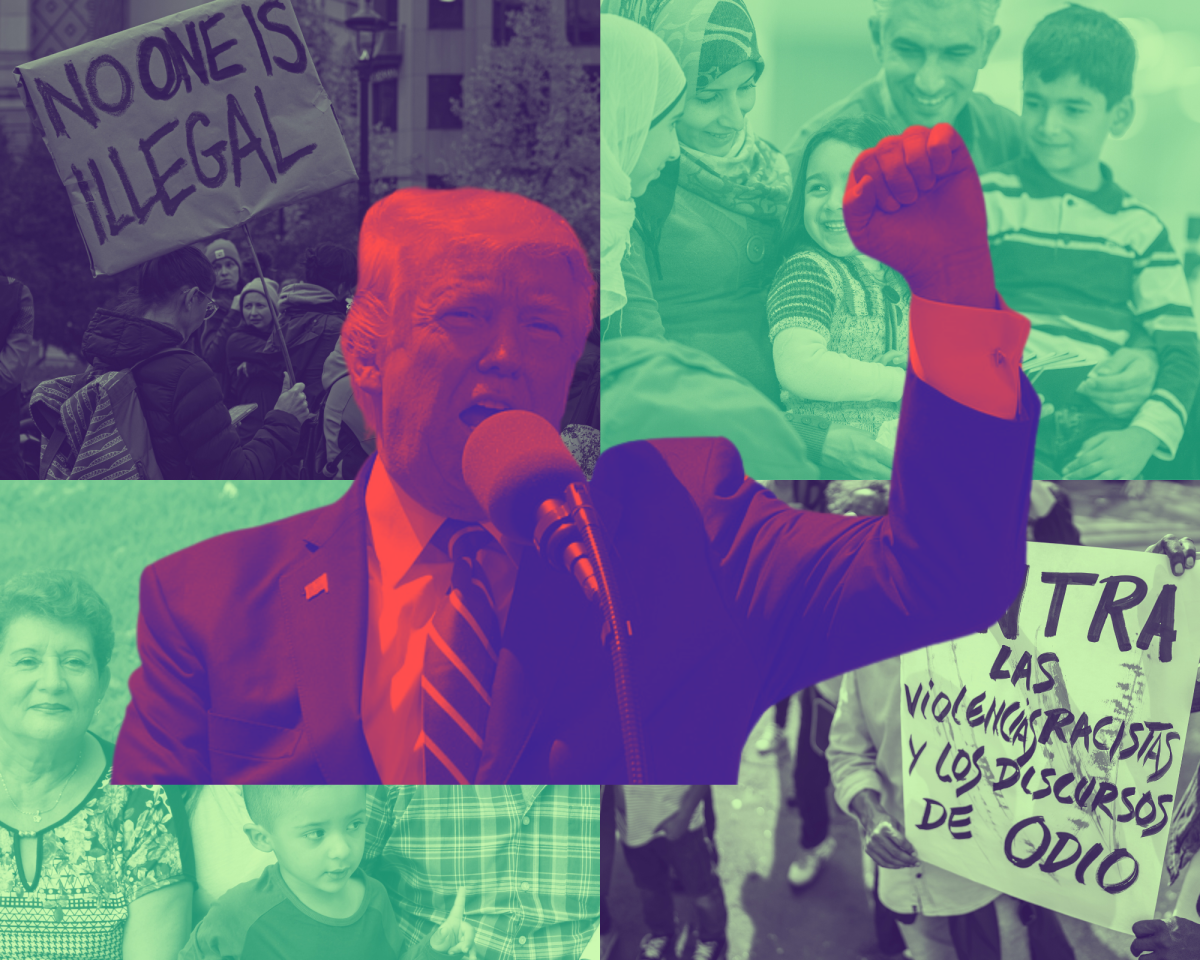
Oftentimes, we find ourselves face-to-face with a geopolitical issue: an international conflict that has just broken out or a national crisis that could impact our way of living. Then, as concerned citizens of the world, we look into this issue personally, informing ourselves about it and seeing if there’s anything we can do to make a difference.
Obviously, this is sarcasm.
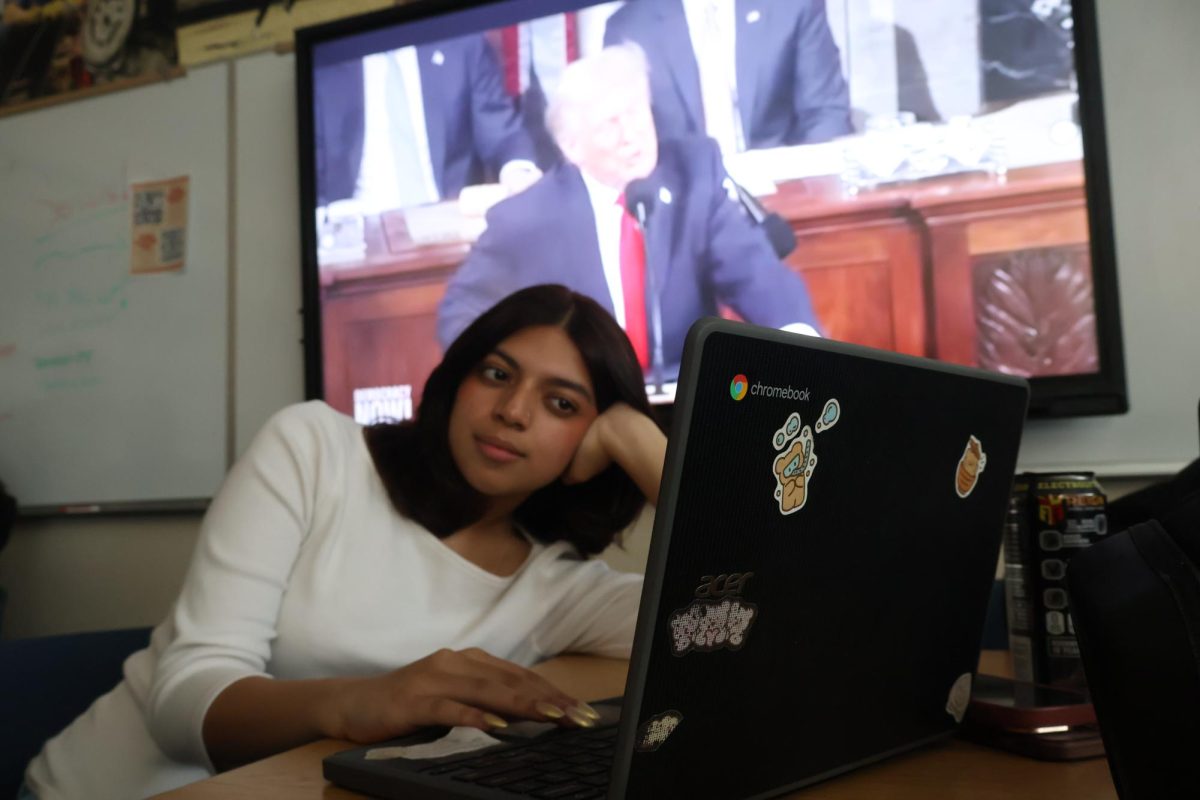
We keep scrolling through our platform of choice, ignoring all feeds that lead back into the real world. We continue consuming content, shopping for Gentle Monsters and studying for the next test. We might think, “Man, that’s awful,” before returning to what usually captures our attention. As students, we go back to our school and clubs, some of us to our jobs, with the notion of suffering in the world now absent from our minds.
It’s a reasonable way of thinking, since none of us could personally end war or disease, but it is also extremely dangerous. A lack of international awareness makes it easier for one to be influenced by the media, with no personal understanding to refute or defend any of the claims that we come across. For instance, a 2016 survey by the Voice of America English News showed that young Americans had an average score of 55% on global literacy. This was based on a survey given to them about international events, geography and U.S foreign policy. Without a basic understanding of current events and the world around us, it leaves us with a society that is vulnerable to misinformation and a negative, uneducated view of the world.
Lack of personal opinions in major events, political or not, can also create malleable perspectives and the absence of identity within a society. When no one has views on large-scale issues, it becomes easier to listen to what others say about them and harder to actually understand them fully. Fewer differing opinions don’t lead to a more peaceful society, but rather a society that’s more distant and conforming. As students, we should take time to understand events such as these, staying connected to what occurs across the globe.
But, we get it. That’s easier said than done.
As life continues to move forward, the truth is: we are constantly hit with more present things to worry about. There doesn’t seem to be a point in spending time on what’s out of reach, when what’s within reach is difficult enough. We can’t afford to worry about the state of the world, when our lives are in an even worse state.
The idea behind this is not to chastise those who do not advocate for the world, nor is it to call anyone lazy or apathetic simply because they get busy. Instead, it’s to introduce the notion that it can be easy to get wrapped up in our own lives and issues. Getting so caught up in our own bubbles and what we deal with, we don’t take a minute to consider the world around us. The purpose of this article is only to ask that we exit our bubbles.
We’re not asking our readers to save the world or to become political activists, just for a little observance and to notice what’s happening.
Notice that while focused on our own deadlines, another clock continues to tick. Even if only for a moment, begin to worry less about the deadlines that are fastly approaching and start to consider those that will affect us later rather than sooner.